



Data Shack
2023
-
ongoing
Academic Residency
Artificial Intelligence
Within the academic research activities of the Gianfranco Ferré Research Centre, the collaboration with the Harvard John A. Paulson School of Engineering and Applied Sciences (SEAS) is developed in synergy with the Data Science Lab and the Fashion in Process Lab of Politecnico di Milano through the Data Shack project. The initiative involves students and faculty from the Harvard SEAS Master’s programmes in Data Science and in Computational Science and Engineering, alongside participants from the Politecnico di Milano Master’s degrees in Computer Science and Engineering, Communication Design, and Design for the Fashion System.
The Data Shack project presents students with challenges based on real-world cases, requiring the application and development of skills including data management, machine learning, data analysis and visualisation, statistics, mathematics, and user experience design. Students are guided through the development of methodologies, software, visualisations, and high-performance components, leading to testing, solution finalisation, and the drafting of scientific papers.
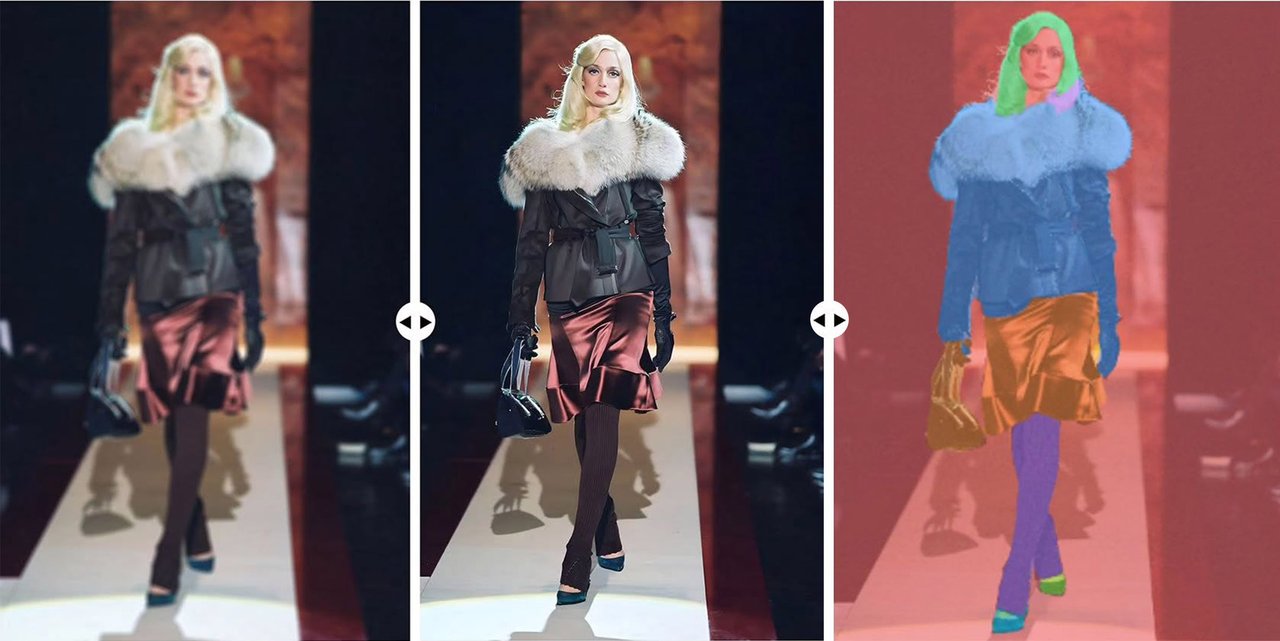
During its first edition, the project developed with the Gianfranco Ferré Research Centre drew on the extensive digital archive to create an innovative vector database model capable of integrating machine learning techniques for the development of cultural ontologies. The initiative combines expertise in fashion design, data science, and human–computer interaction to experiment with new methods of semantic classification and interaction with archival content. It also explores co-creation processes within the phases of creative development, with the aim of connecting fashion’s cultural heritage to innovative design approaches.
In its second edition, the project further investigates the use of generative artificial intelligence tools – including multimodal models, LLMs, and related technologies – with the objective of developing pipelines capable of improving the performance of AI tools applied to fashion, particularly chatbots, LLMs specialised through fine-tuning, and other advanced solutions.
The outcomes of the project open up new perspectives for the creative use of archives. Dialogic interfaces based on generative AI enable more immersive and personalised exploratory experiences, benefiting research, education, and the enhancement of fashion’s cultural heritage.
The Data Shack project presents students with challenges based on real-world cases, requiring the application and development of skills including data management, machine learning, data analysis and visualisation, statistics, mathematics, and user experience design. Students are guided through the development of methodologies, software, visualisations, and high-performance components, leading to testing, solution finalisation, and the drafting of scientific papers.
During its first edition, the project developed with the Gianfranco Ferré Research Centre drew on the extensive digital archive to create an innovative vector database model capable of integrating machine learning techniques for the development of cultural ontologies. The initiative combines expertise in fashion design, data science, and human–computer interaction to experiment with new methods of semantic classification and interaction with archival content. It also explores co-creation processes within the phases of creative development, with the aim of connecting fashion’s cultural heritage to innovative design approaches.
In its second edition, the project further investigates the use of generative artificial intelligence tools – including multimodal models, LLMs, and related technologies – with the objective of developing pipelines capable of improving the performance of AI tools applied to fashion, particularly chatbots, LLMs specialised through fine-tuning, and other advanced solutions.
The outcomes of the project open up new perspectives for the creative use of archives. Dialogic interfaces based on generative AI enable more immersive and personalised exploratory experiences, benefiting research, education, and the enhancement of fashion’s cultural heritage.
Academic Residency developed in collaboration with Harvard John A. Paulson School of Engineering and Applied Sciences, aimed at promoting advanced research and educational pathways in the field of Data Science.
Credits
Partners
POLIMI Scientific Coordination: Paola Bertola, Marco Brambilla, Stefano Ceri
Harvard Scientific Coordination: Pavlos Protopapas
Project Management: Federica Vacca, Angelica Vandi
Archival Research: Emanuela Di Stefano, Bruna Rigato, Ilaria Trame
Research Team: Alison Yao, Lorenzo Campana, Vittoria Corvetti, Luis Henrique Simplicio Ribeiro
RELATED RESEARCH PROJECTS
 Digital Curation
Education Research
Unfolding Gianfranco Ferré
An innovative educational pathway enhancing Ferré’s legacy
2025
Digital Curation
Education Research
Unfolding Gianfranco Ferré
An innovative educational pathway enhancing Ferré’s legacy
2025
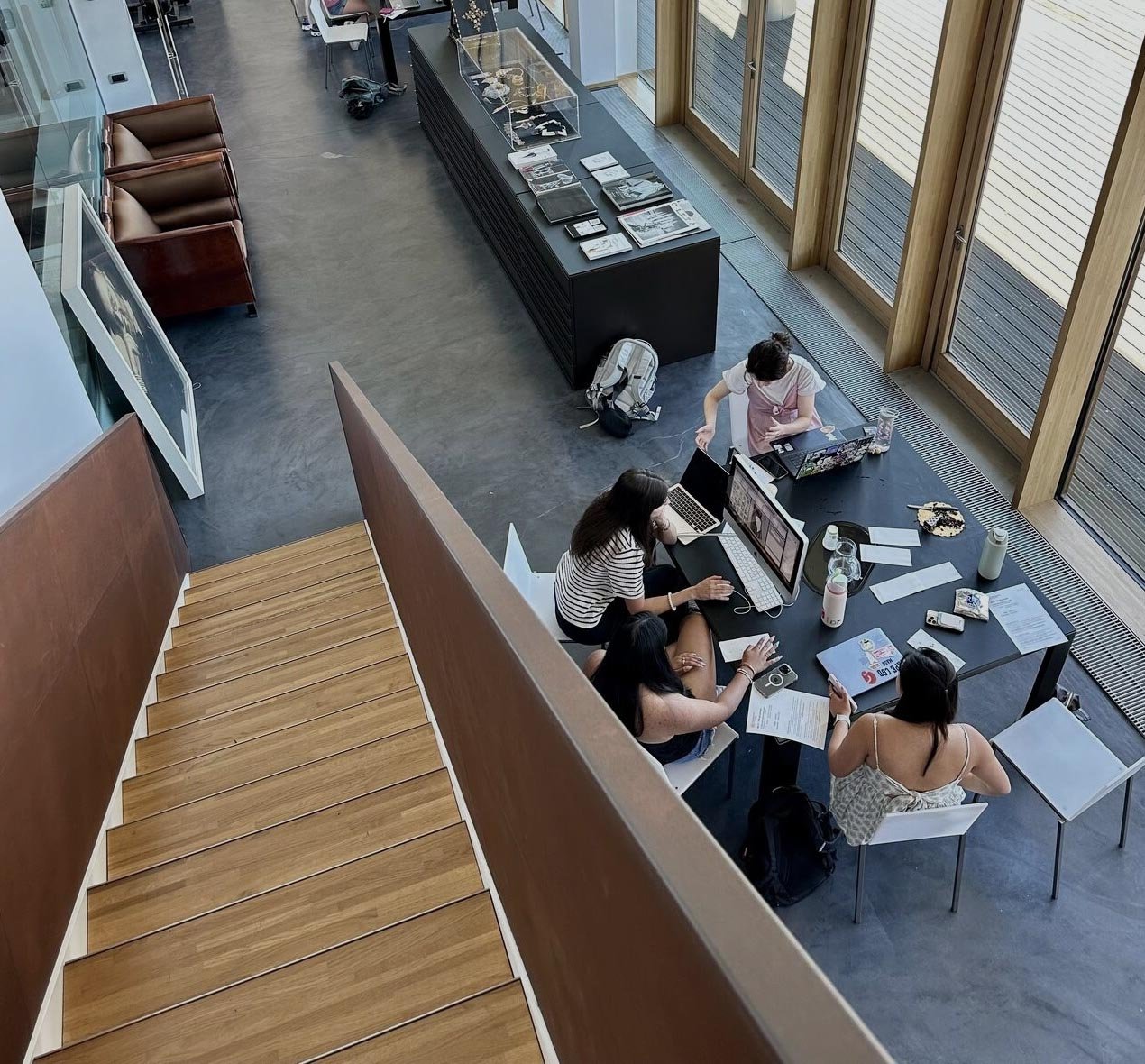 Academic Residency
Digital Curation
High-End Experiences through Italian Design & Technology
Academic Residency developed in collaboration with Northeastern University
2025
Academic Residency
Digital Curation
High-End Experiences through Italian Design & Technology
Academic Residency developed in collaboration with Northeastern University
2025
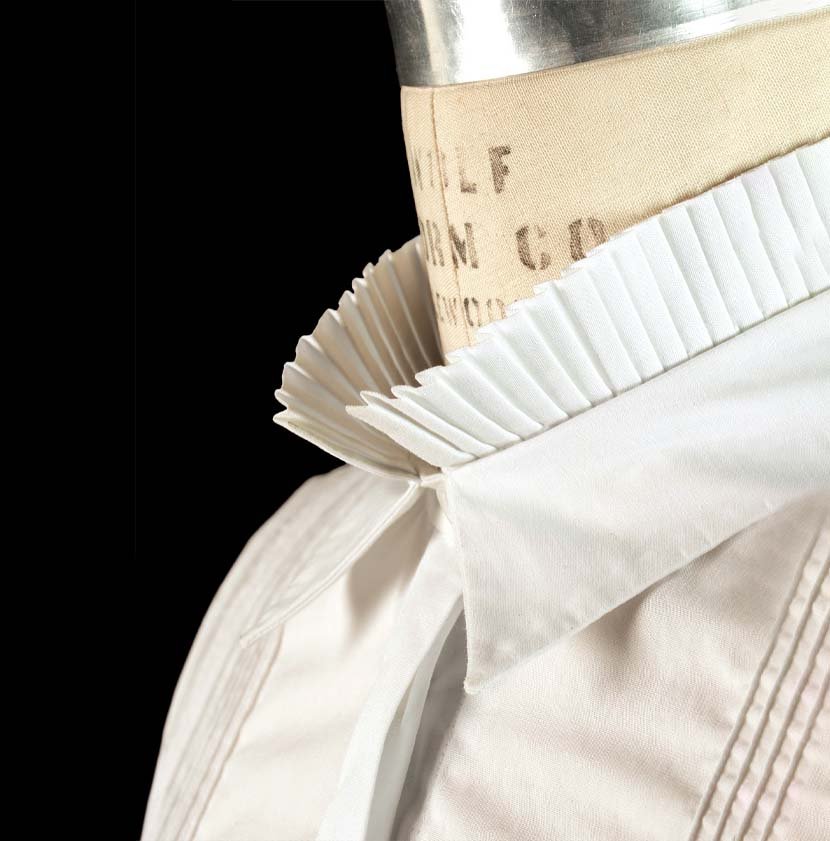 Education Research
Reverse Engineering
Ferré's Lexicon
Project developed in collaboration with the Laboratory of Fundamentals of Fashion Design, Fashion Design programme, Politecnico di Milano
2024
Education Research
Reverse Engineering
Ferré's Lexicon
Project developed in collaboration with the Laboratory of Fundamentals of Fashion Design, Fashion Design programme, Politecnico di Milano
2024
 Education Research
Rematerialisation
Design with Memory
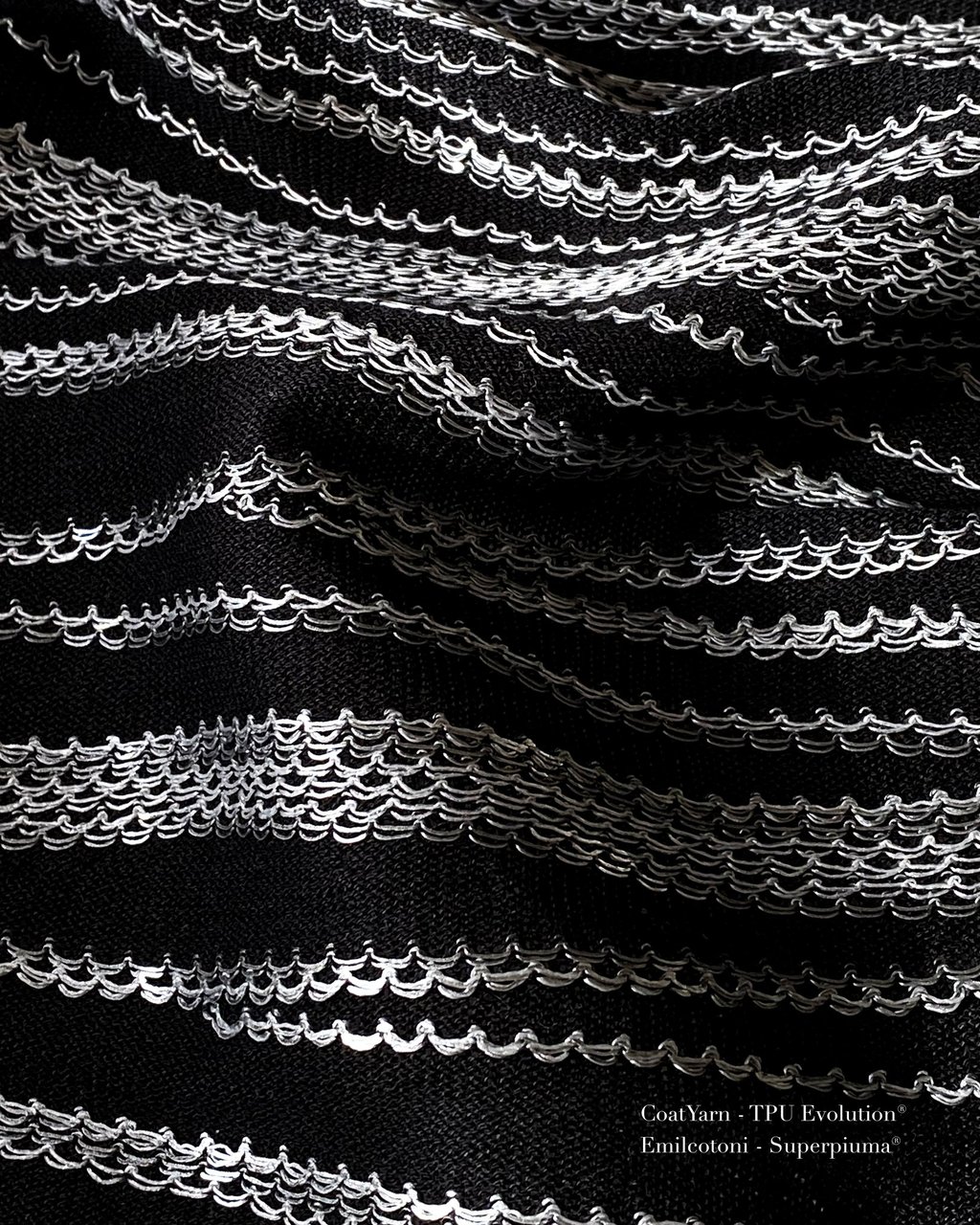
Thesis Research Internship investigating knitwear as a field for the re-materialisation of a Ferré archival garment
2024
- 2025
Education Research
Rematerialisation
Design with Memory
Thesis Research Internship investigating knitwear as a field for the re-materialisation of a Ferré archival garment
2024
- 2025
