

Men's Ready-to-wear
Spring/Summer
“I like to think that the protagonist – always coherent, always the same, eternally strong – has been overcome. And that man has instead reached, through experience, ways of living, changes in taste and custom, a relationship with himself. I would even say a physical relationship with his own face. He is therefore different, according to moments and occasions”.
Gianfranco Ferré
1983
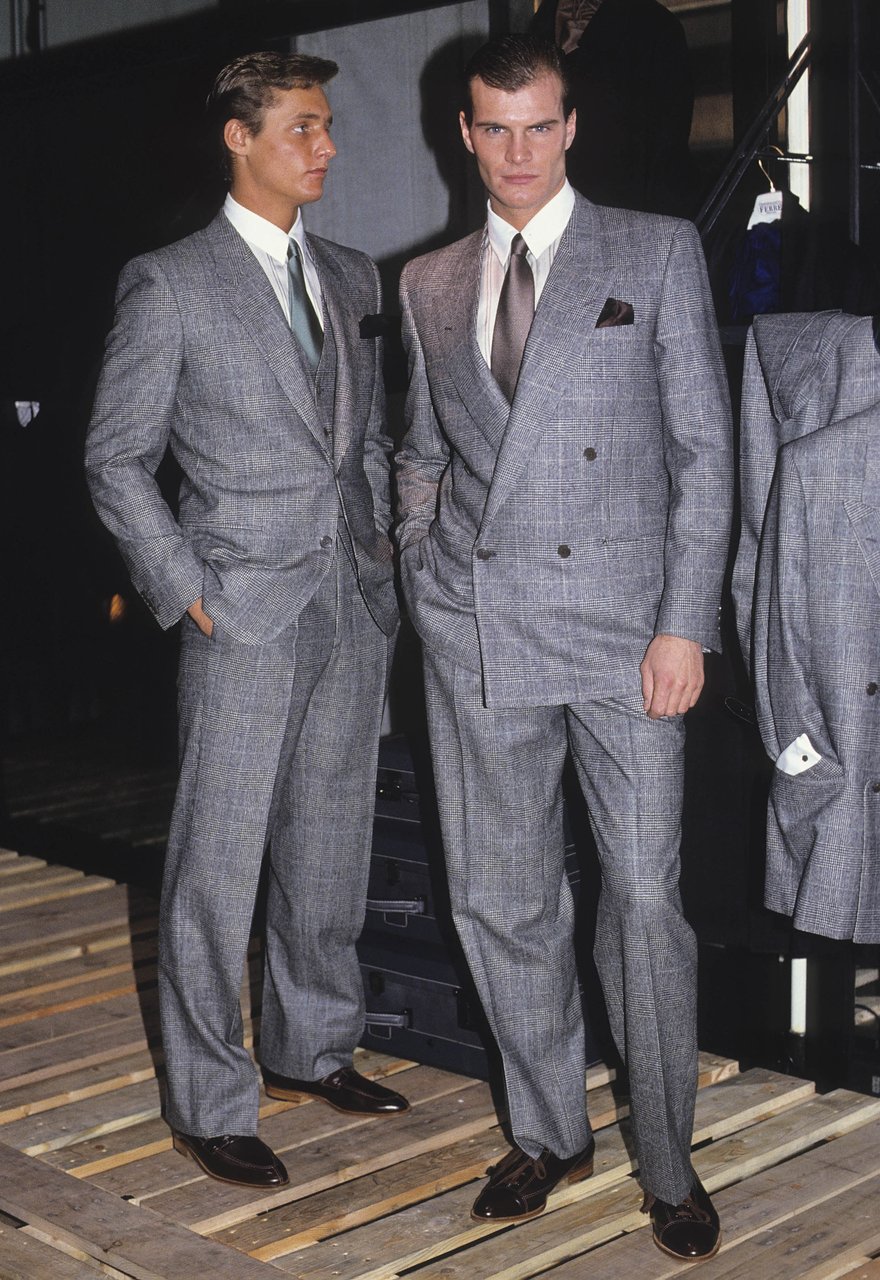
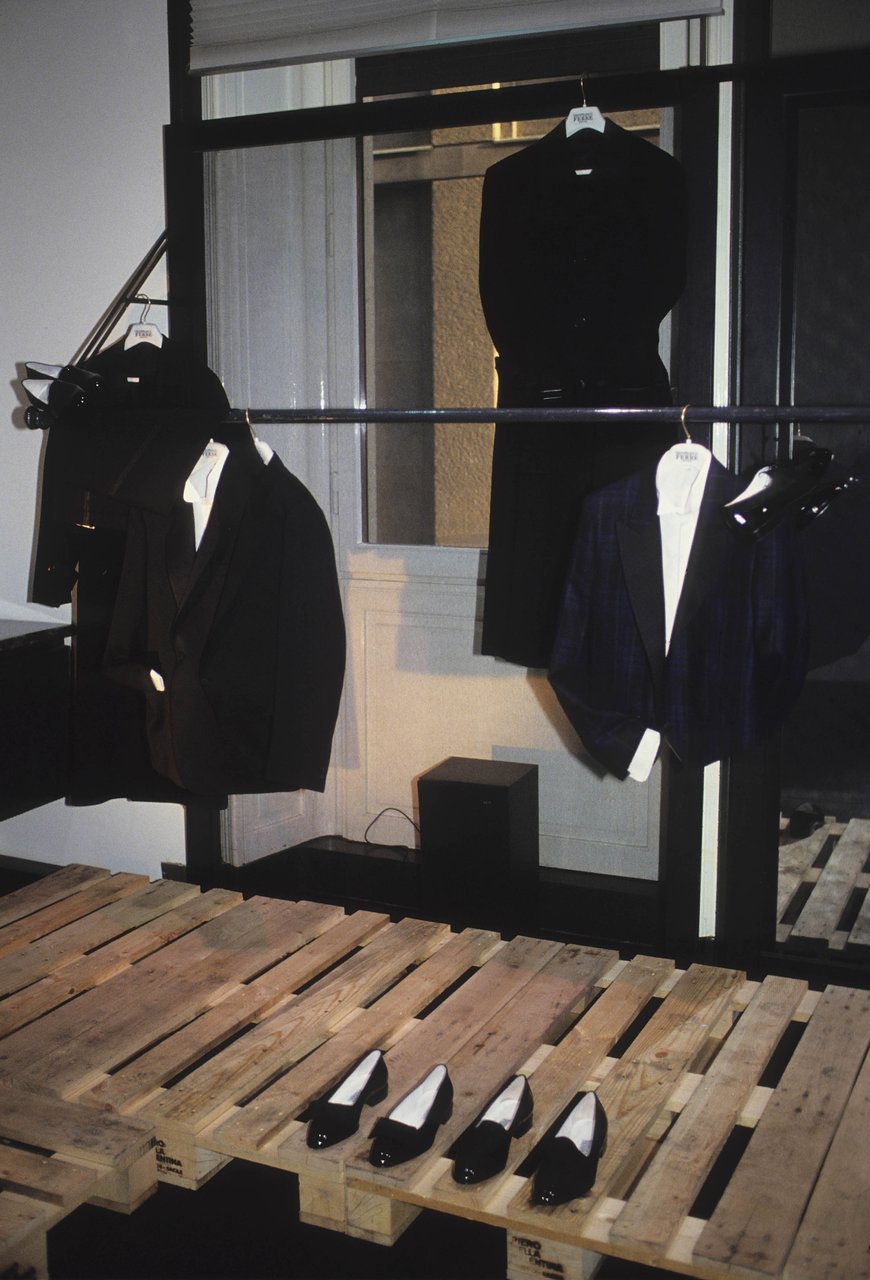
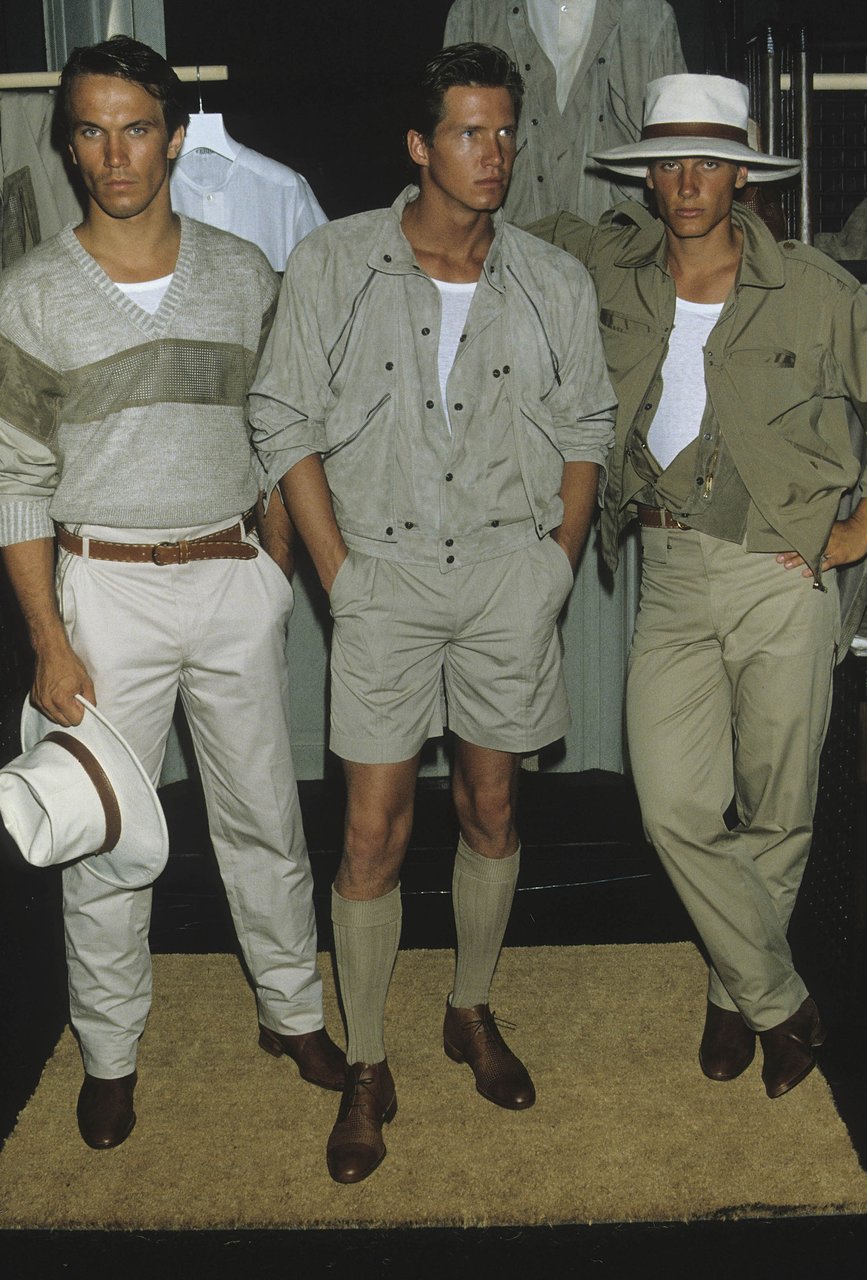
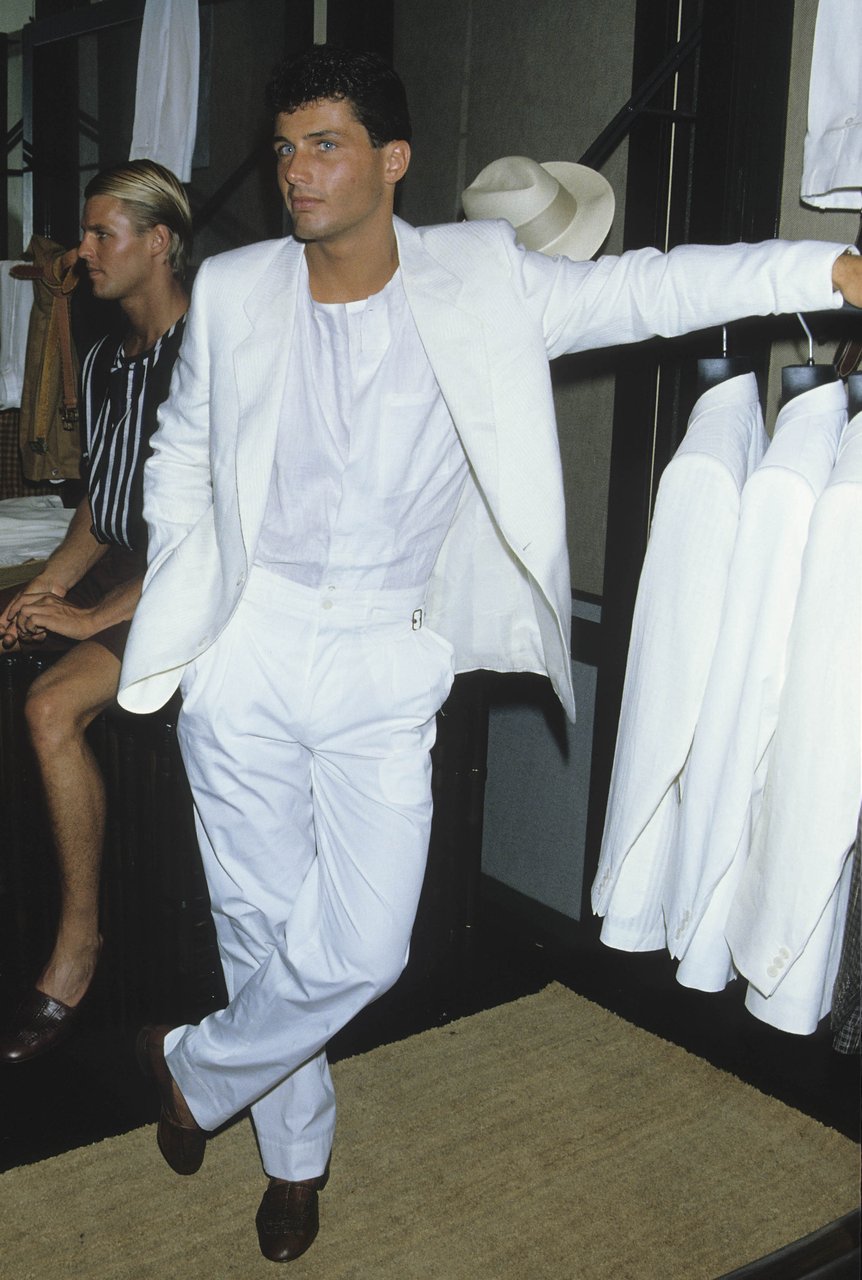
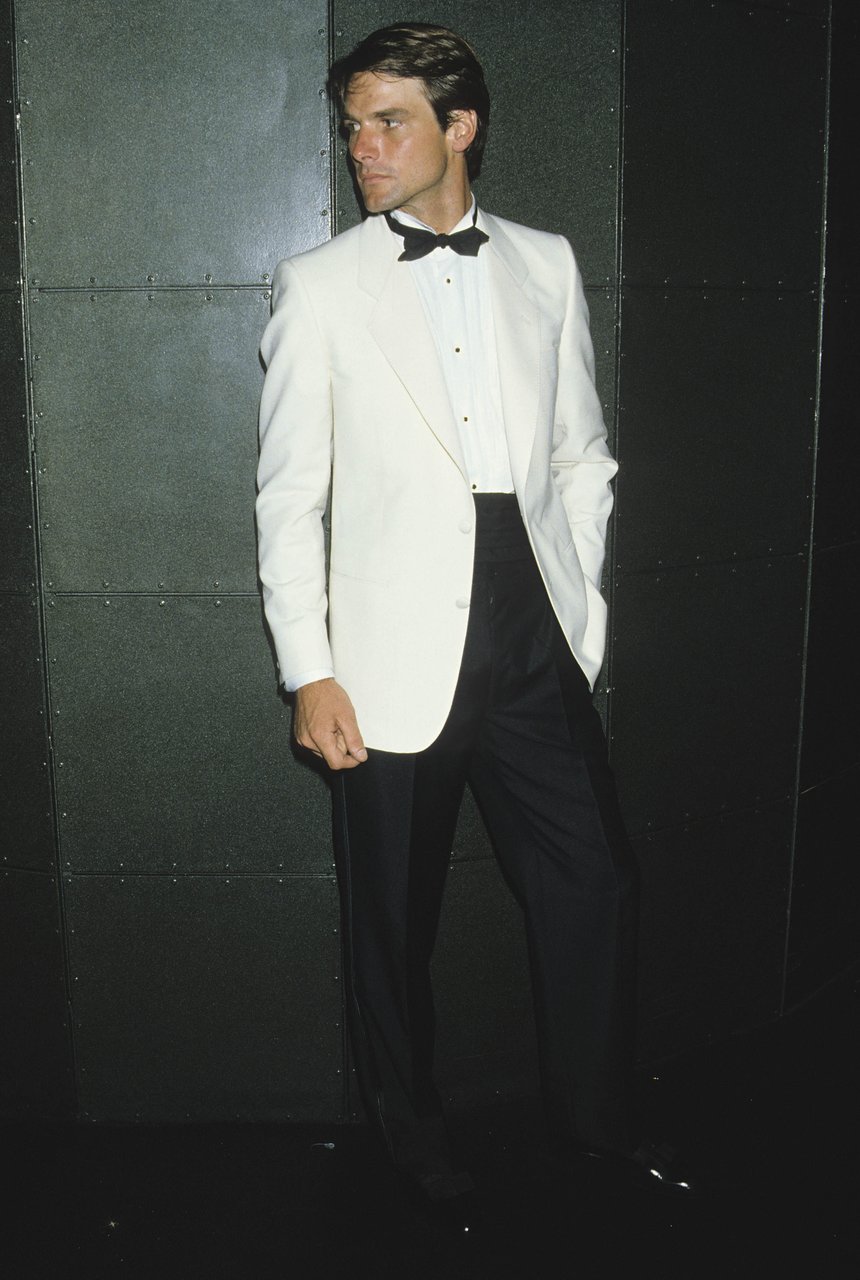
Classical dressing. No interpretation, no deviation in line or fabric. If it is to be formal, it must be impeccable: jackets with important yet soft shoulders, clearly defined lapels, the light ‘freshness’ of linen, the tropical blend of cotton and linen, of silk and cotton.
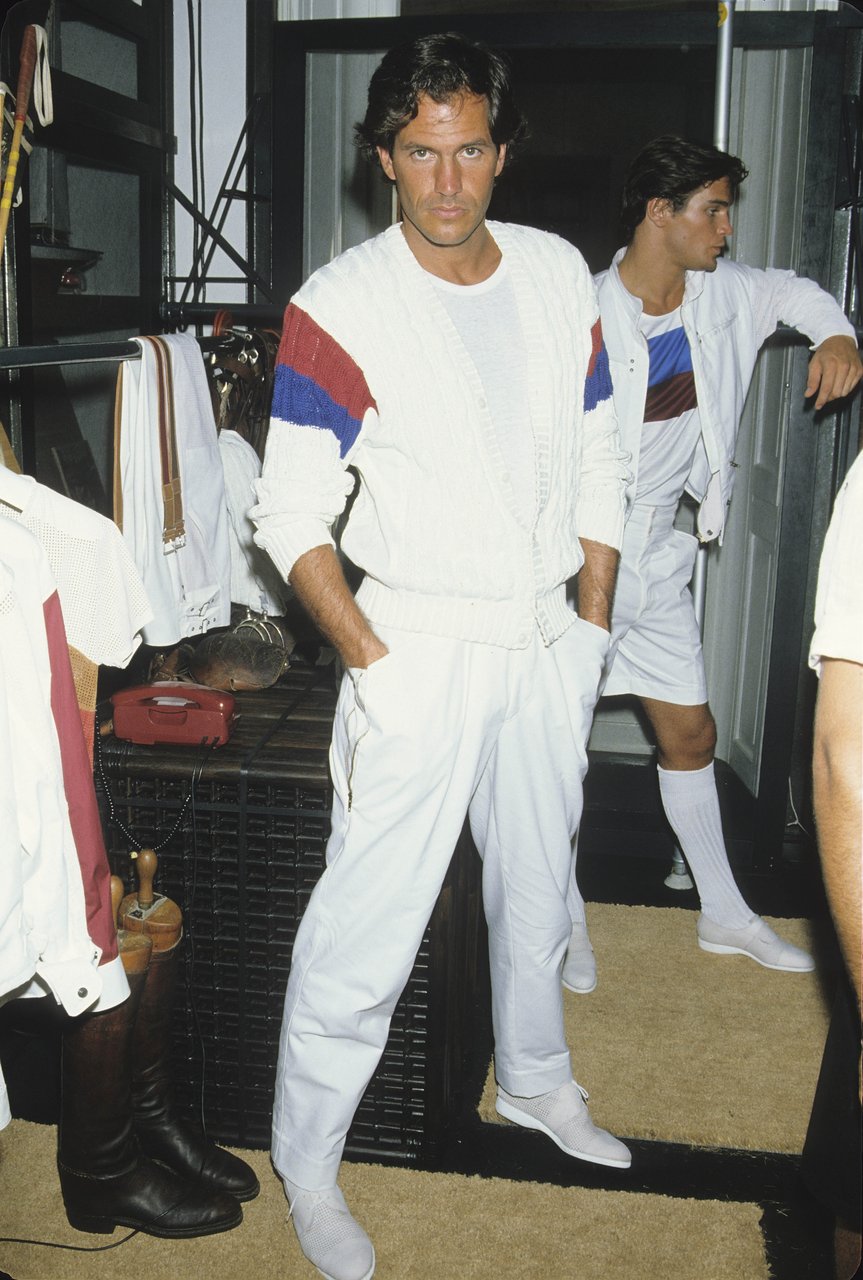
Casual dressing. A memory of polo and cricket, in white, combined with classic English colours. Plus the accent of a crest. Waistcoat-style pockets in two contrasting shades, perforated peccary blousons, niki jackets in terry cloth.
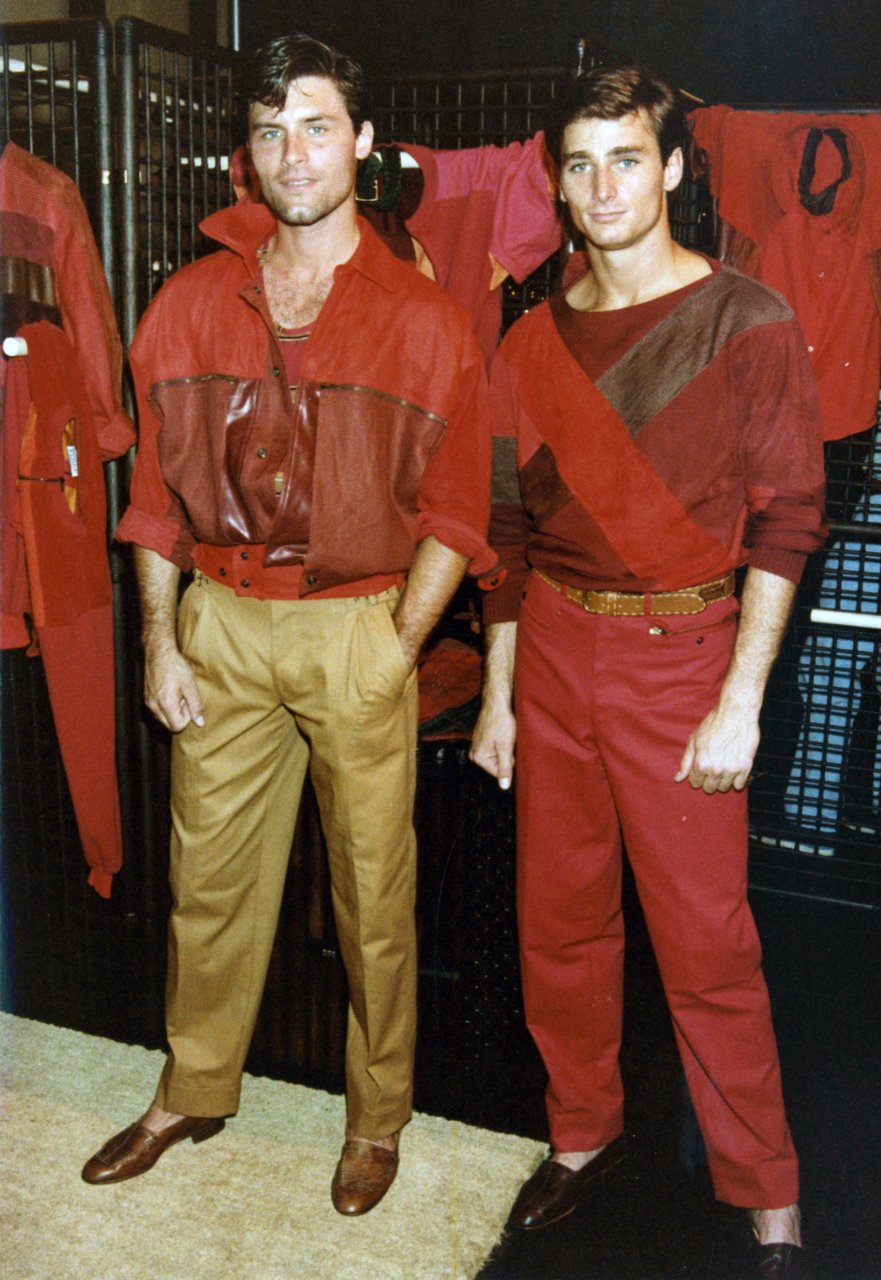
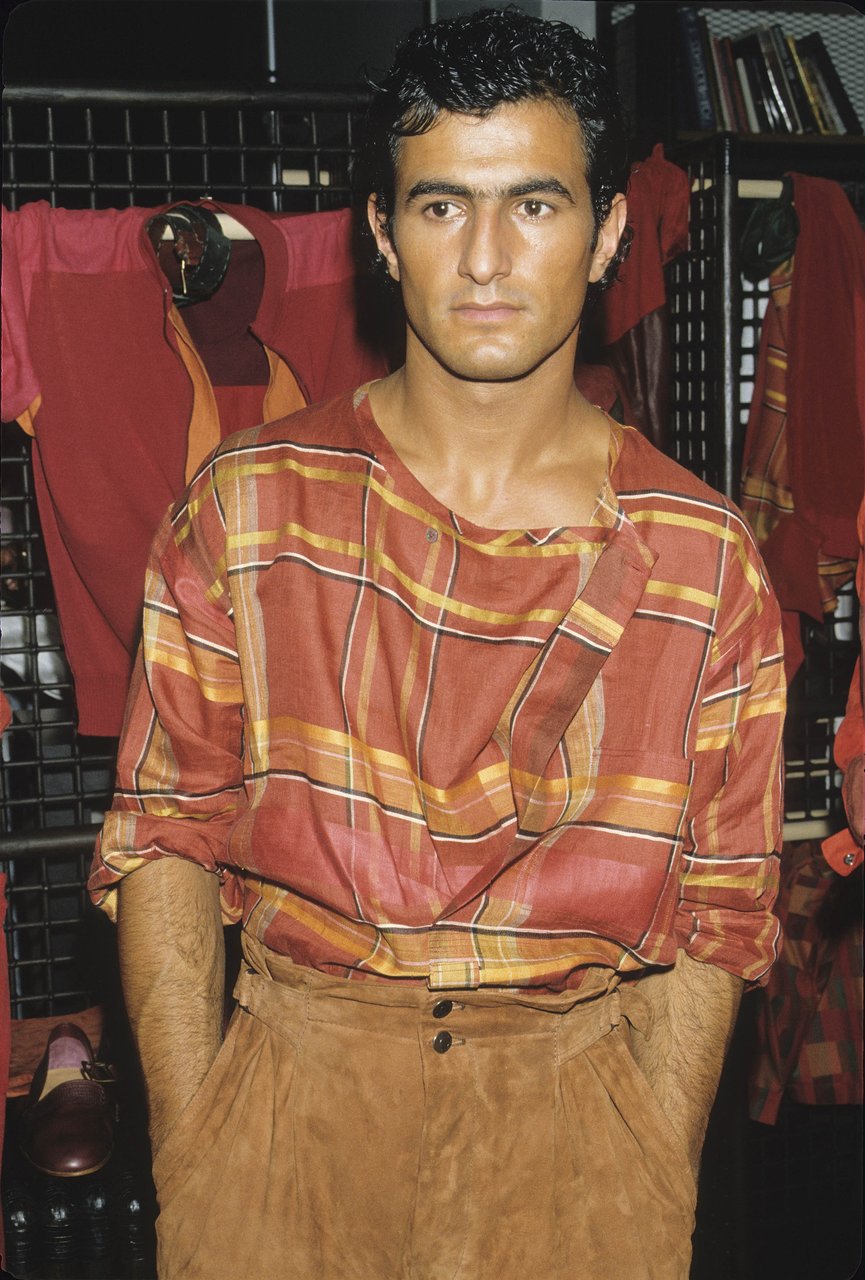
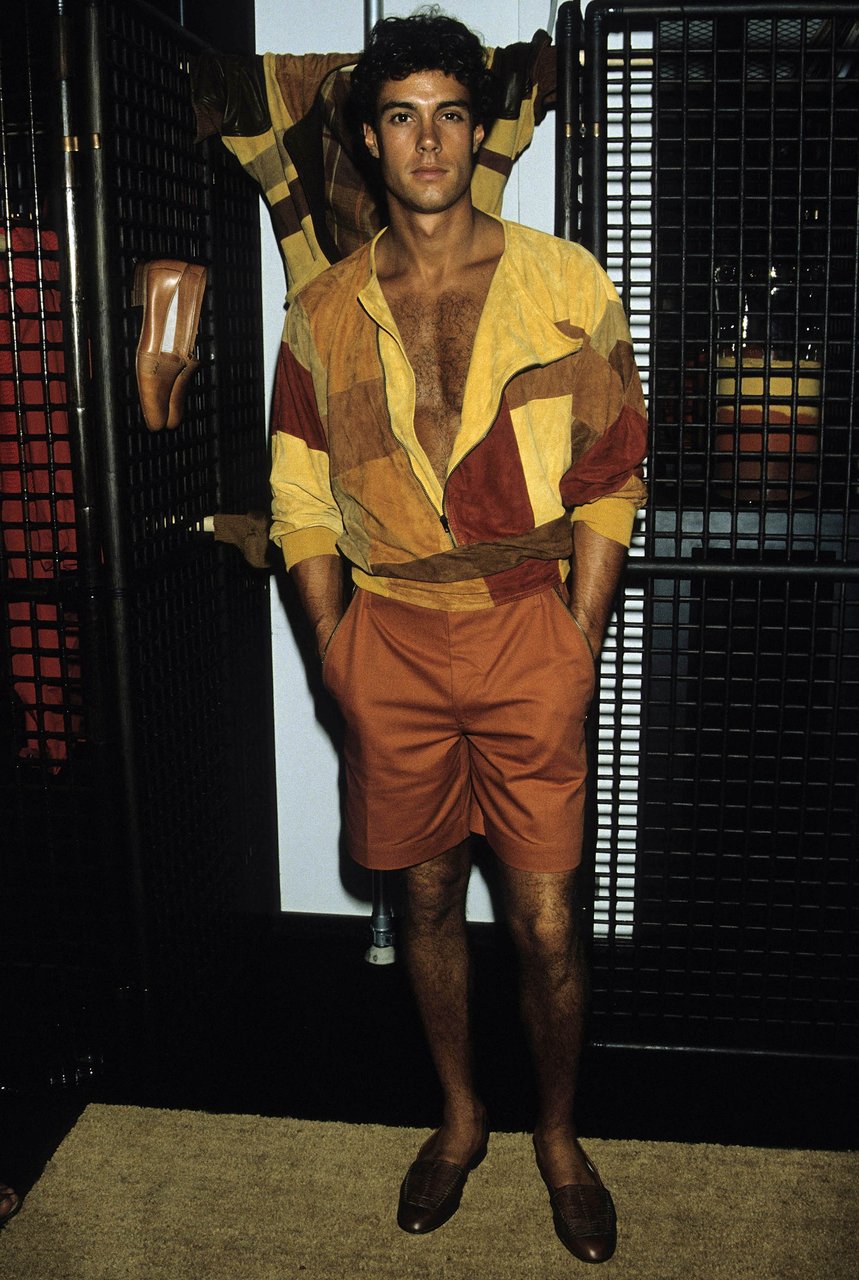
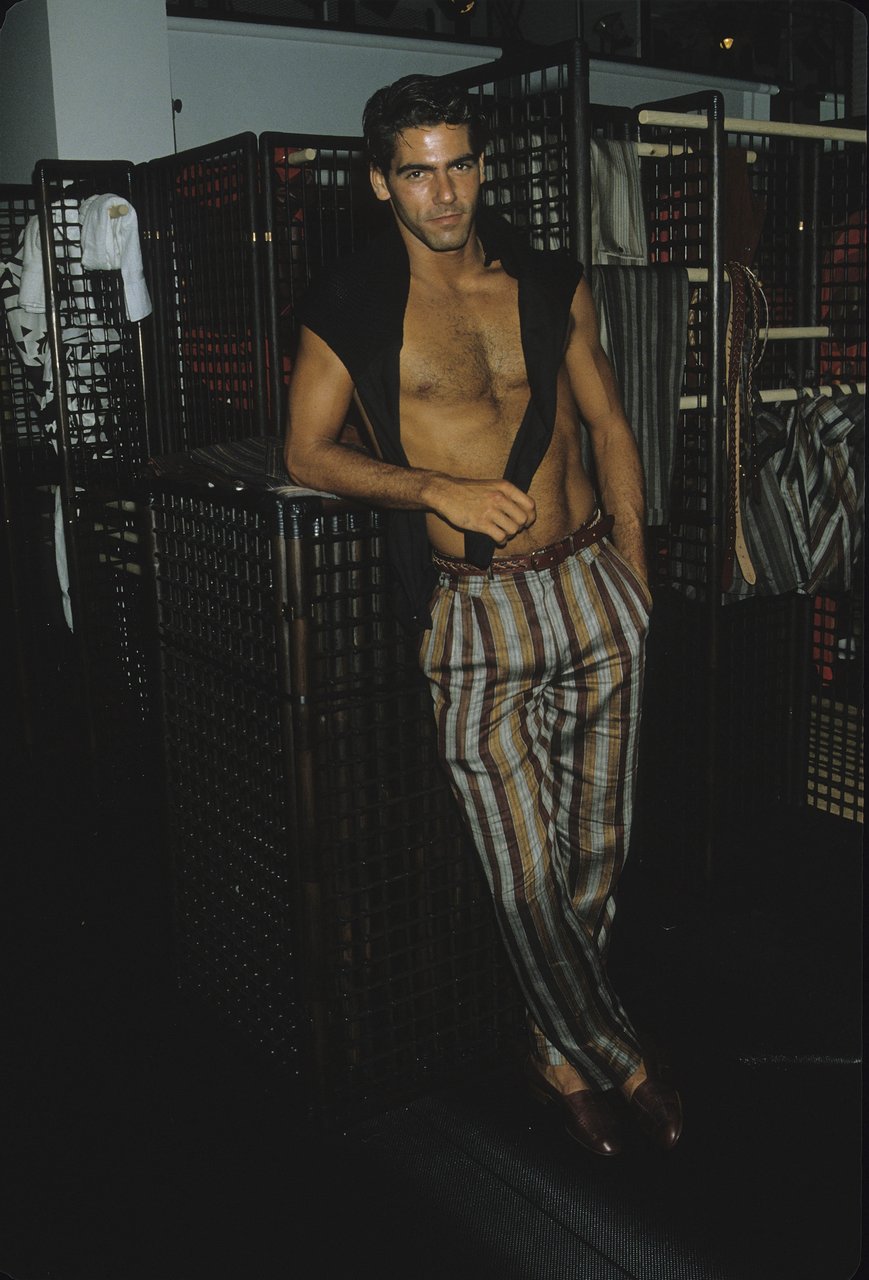
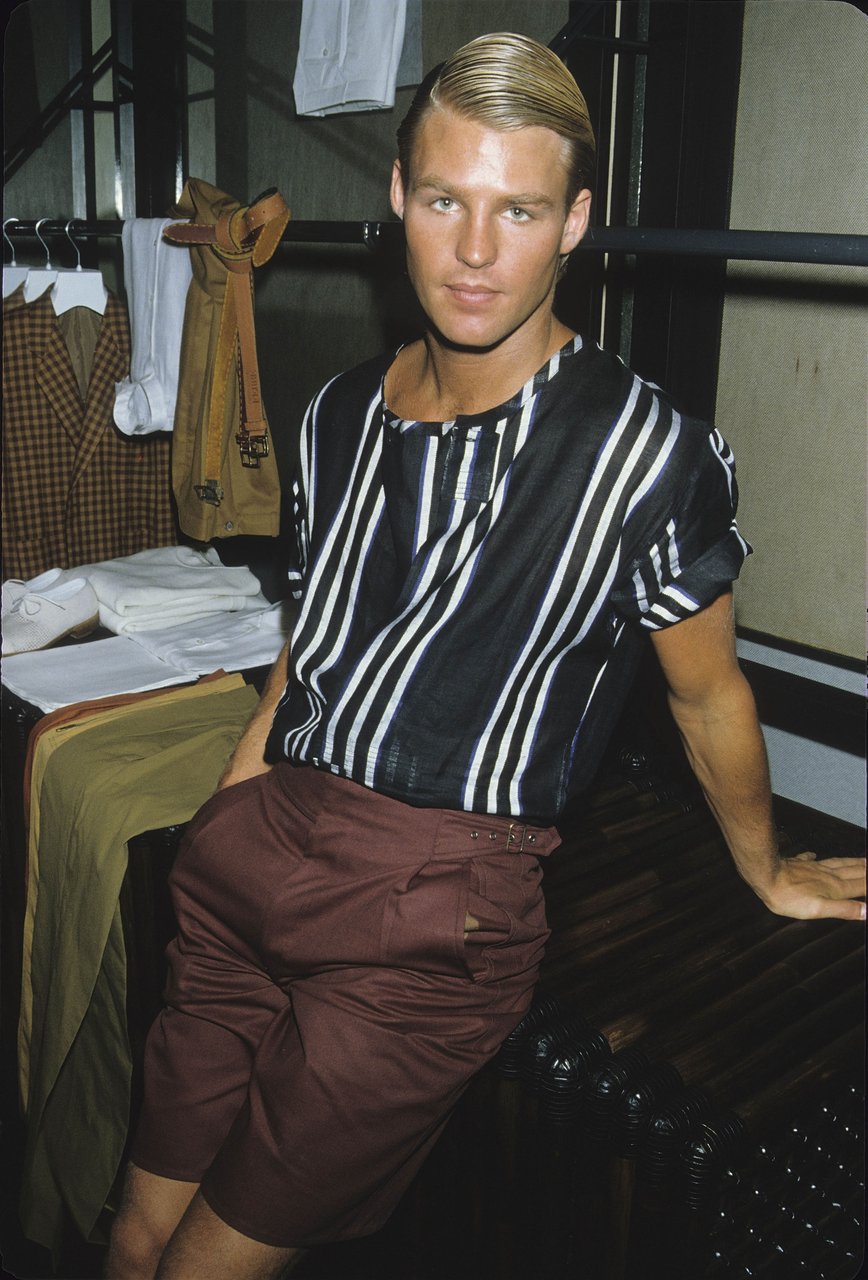
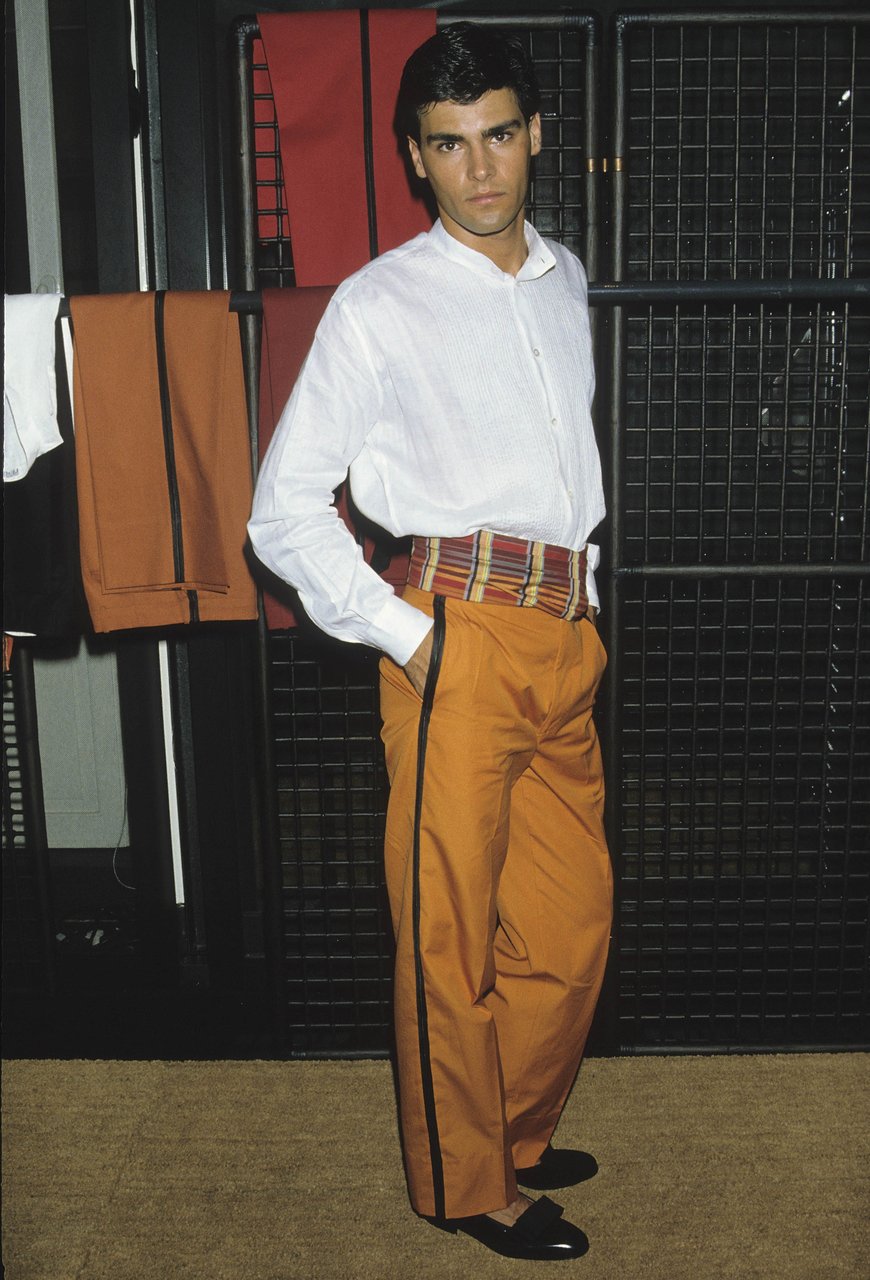
Natural dressing. Light jackets with stripes reminiscent of Indian cloth, even towel-like checks. Eastern spice-market colours paired with the eggshell white of shirts and trousers, and with the leather of two-tone Old England–style shoes. Shirts often collarless, sometimes without buttons, fastening simply with a fold-over placket.
Knit dressing. Interlock with suede patches. Terry cloth, clipped on one side and reversed on the other, combined with cotton poplin. Perforated peccary and blends of natural fibres forming stripes. Silk/linen, cotton/linen knits, raw as if hand-worked, with cotton sleeves designed to be rolled up.
Excerpts from the collection press release
Men's Ready-to-wear
Fall/Winter
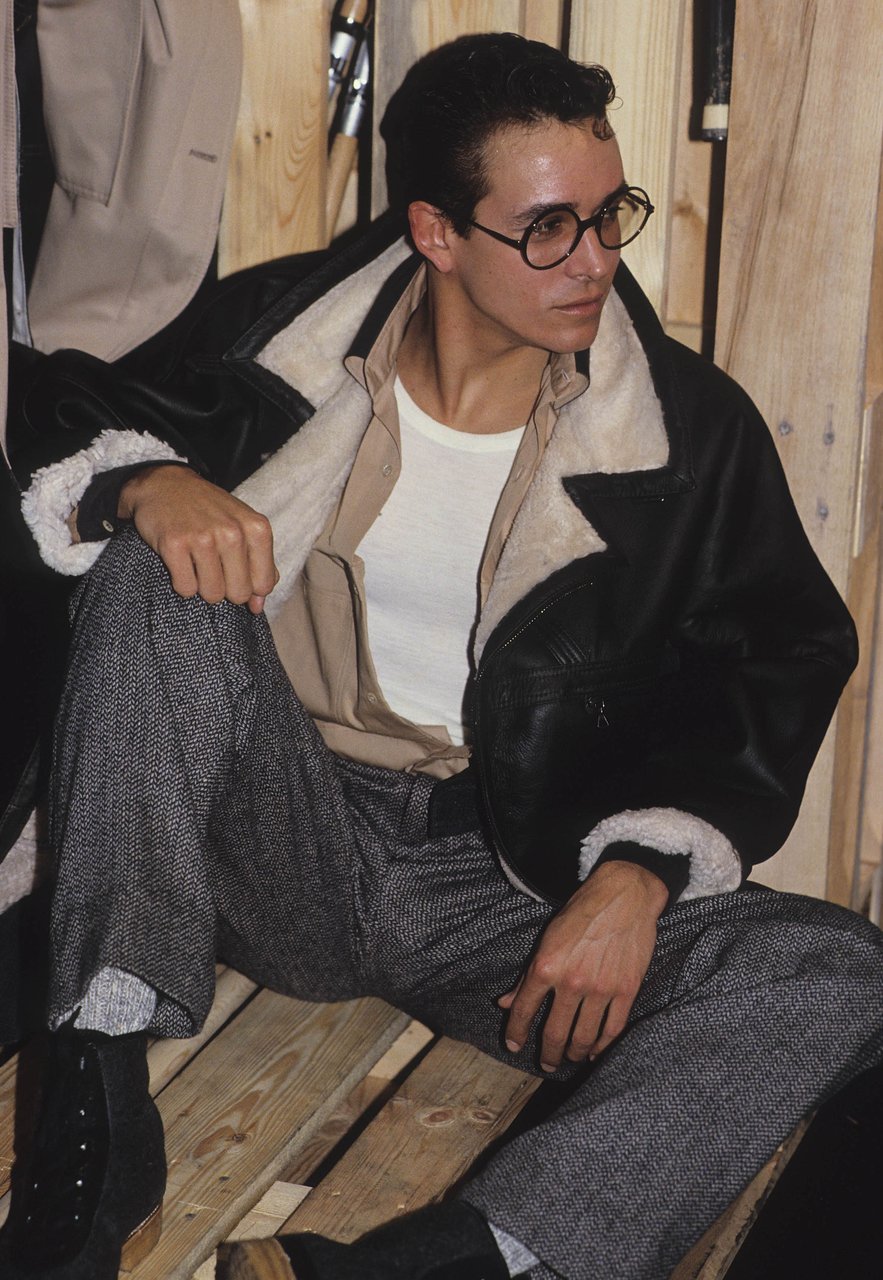
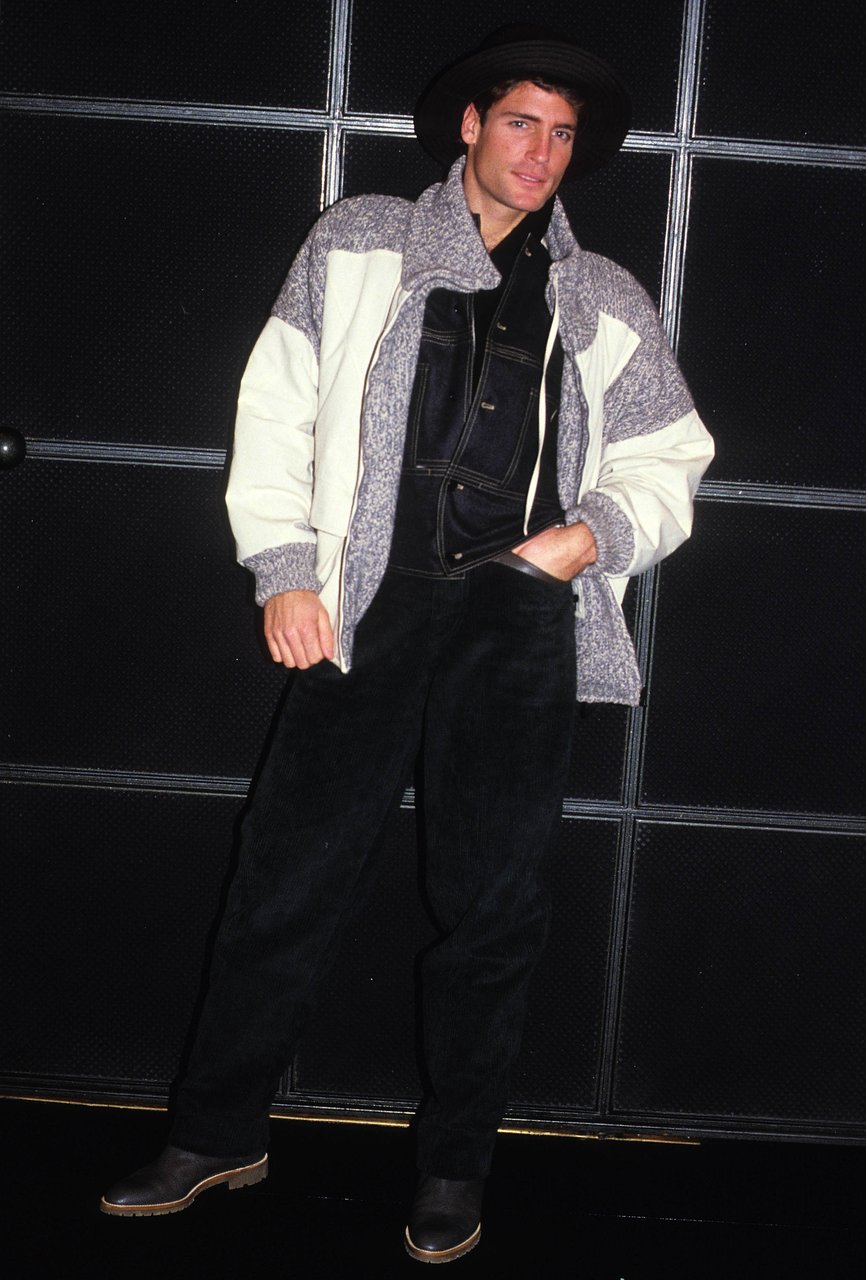
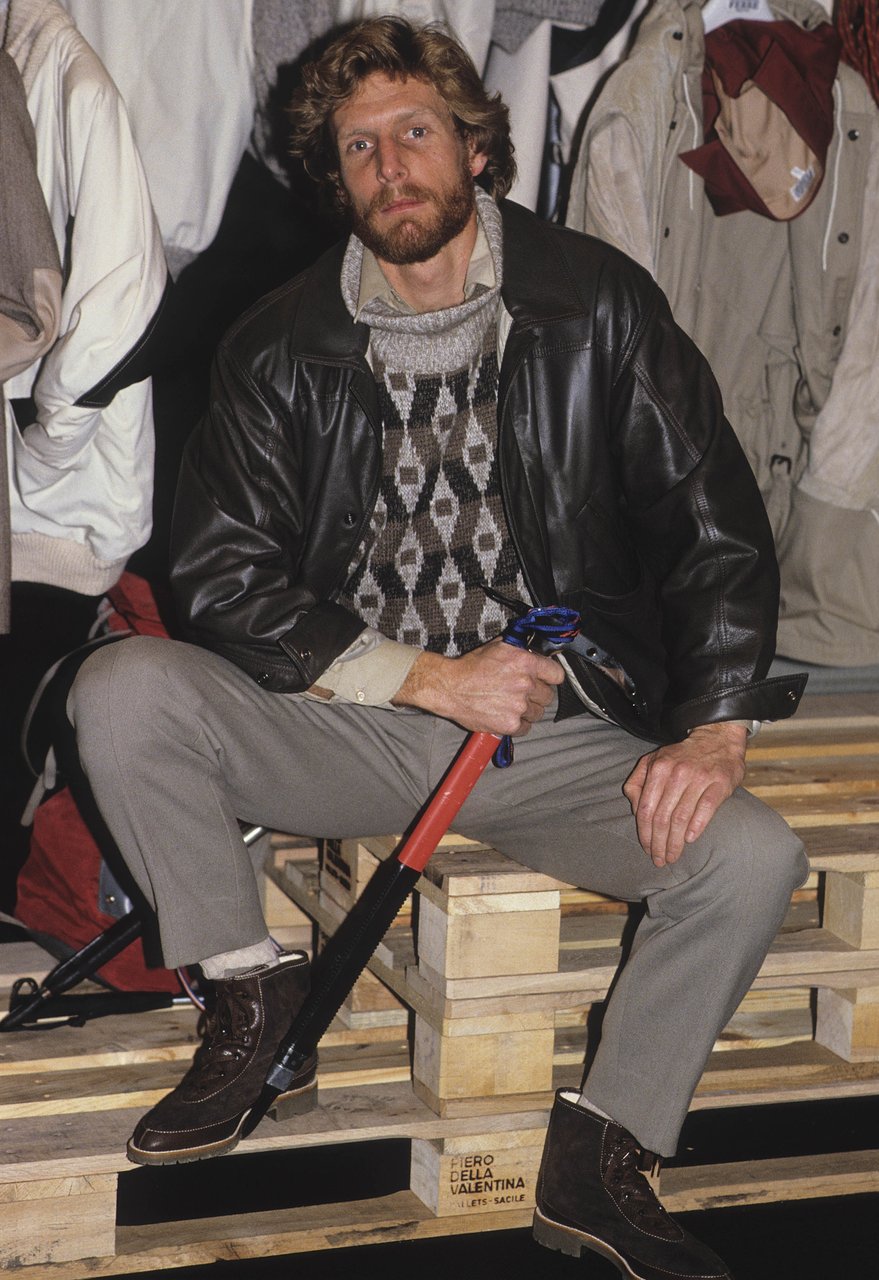
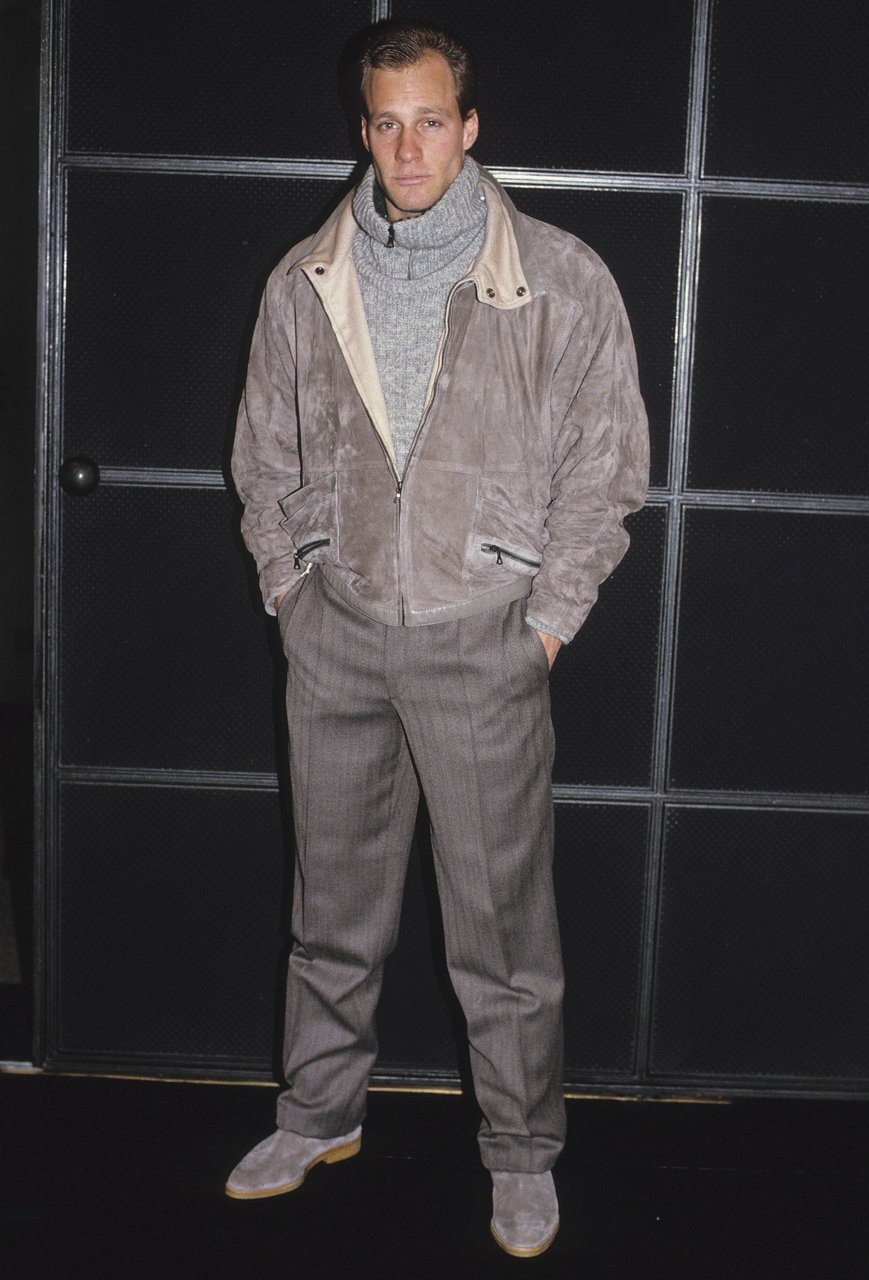
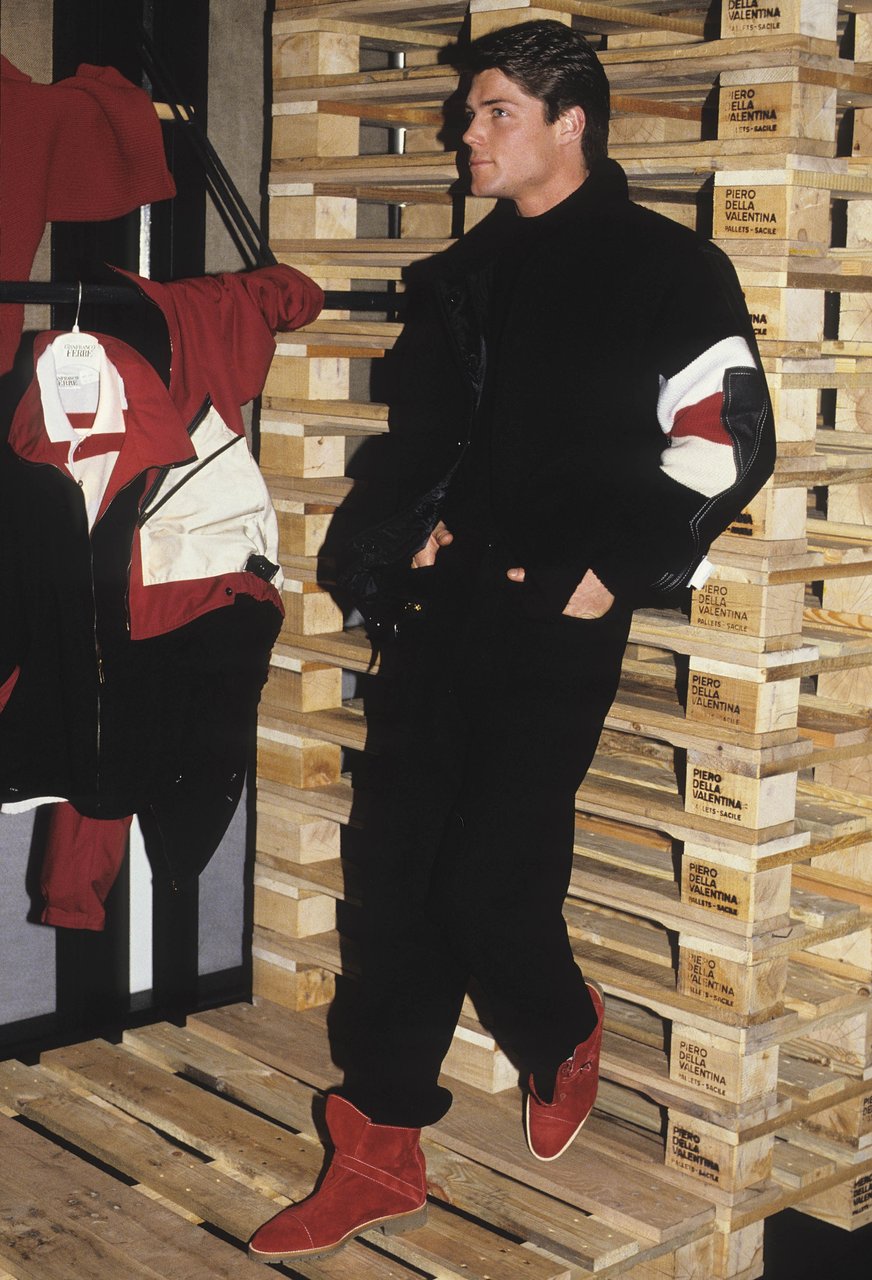
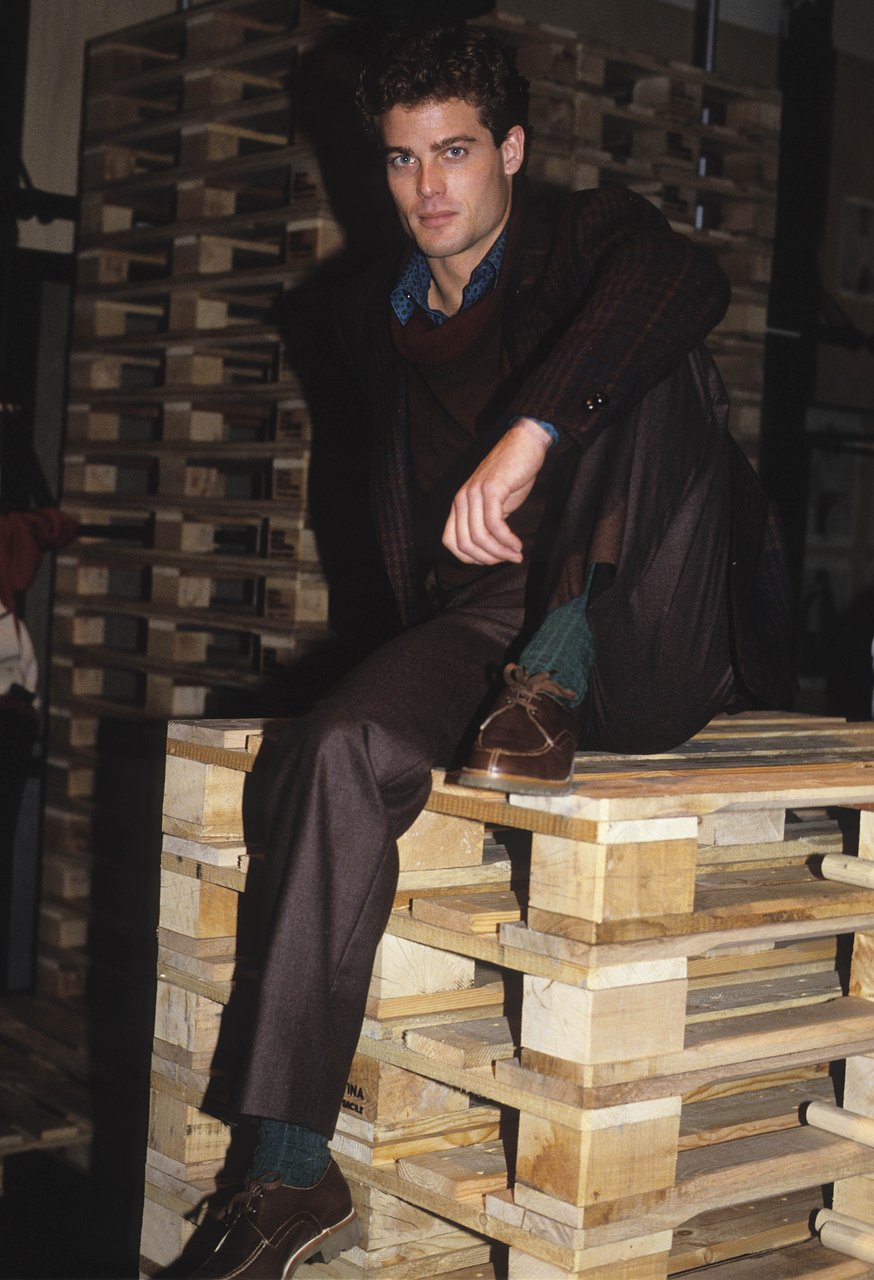
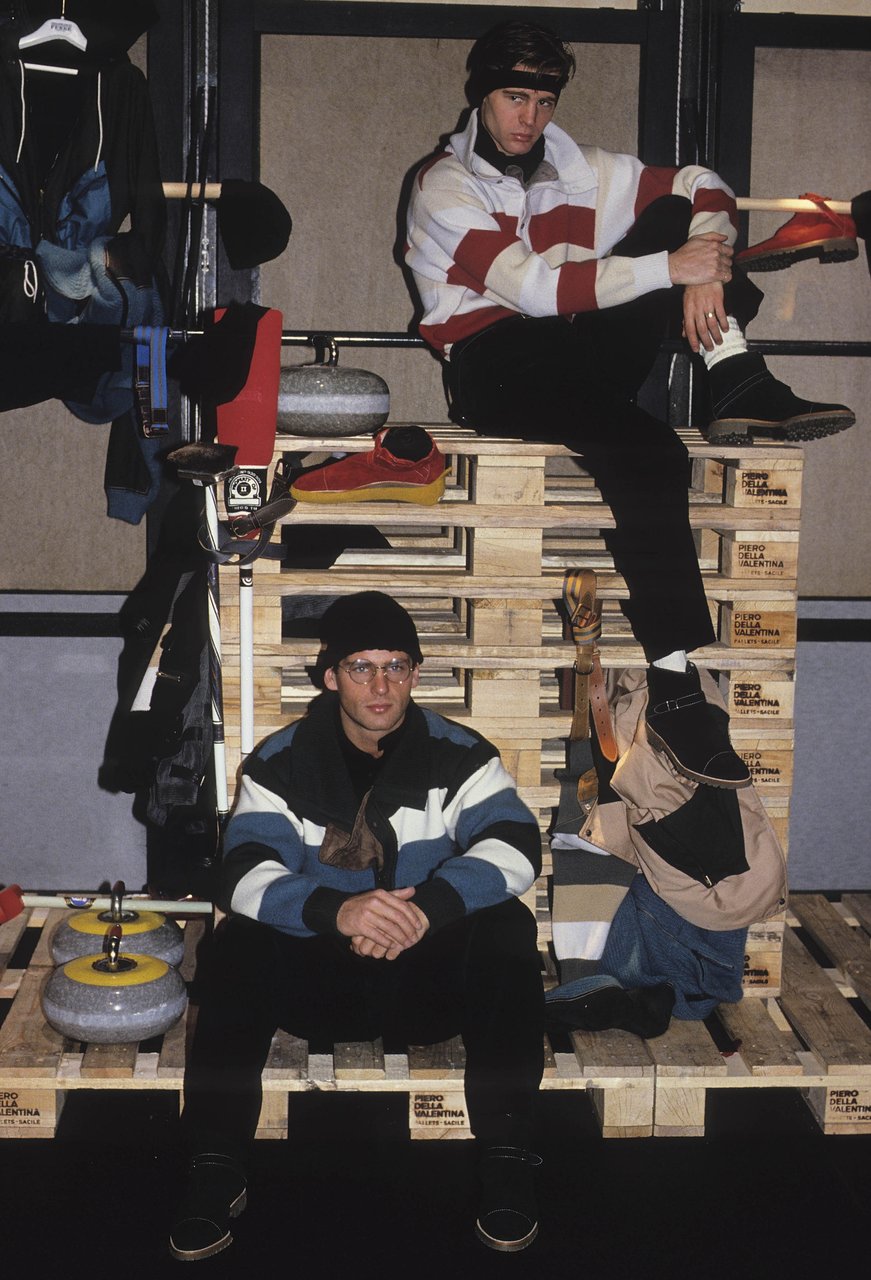
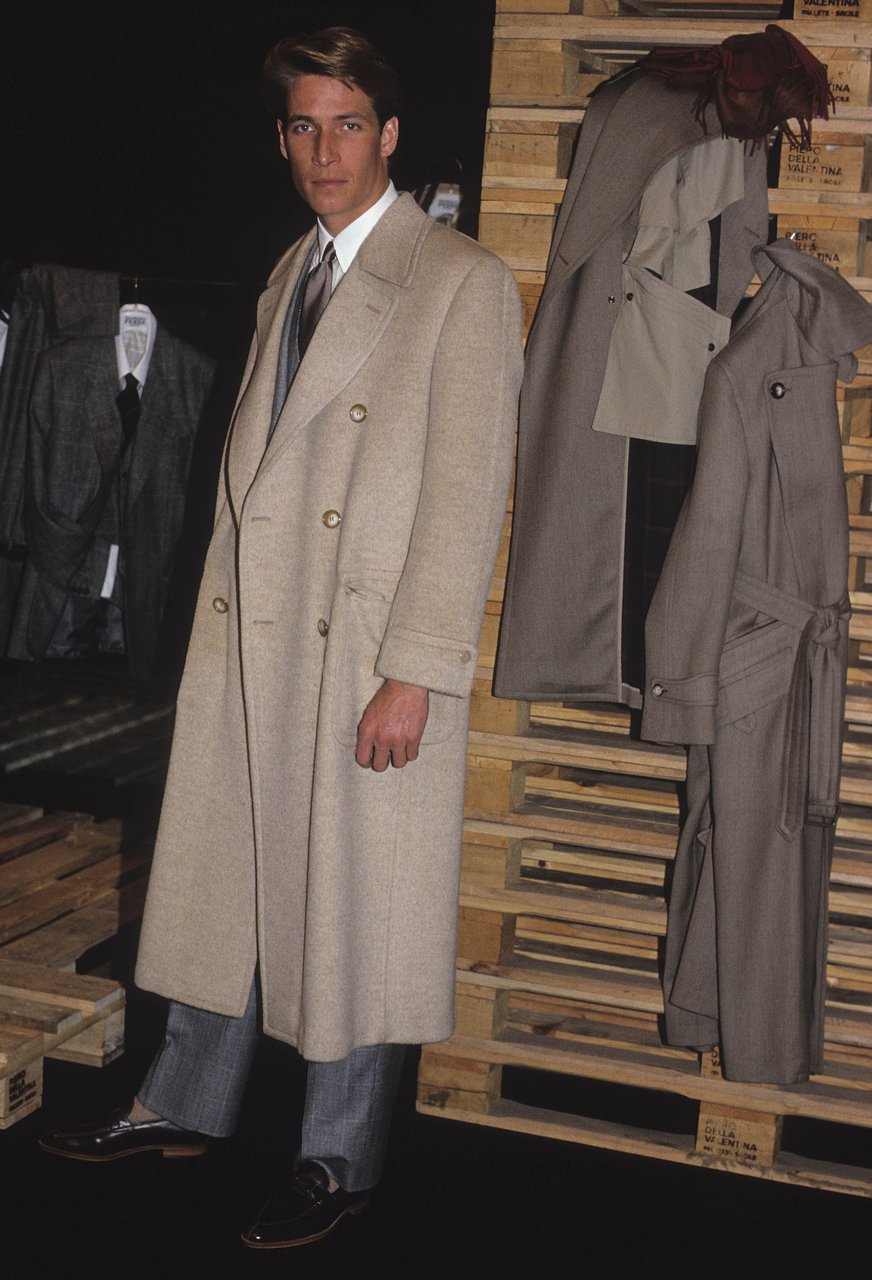
“Tradition… can be an empty word, devoid of meaning. But when one succeeds in merging the two principles – the new and the established – tradition becomes ennobled, both in form and in spirit. For this reason I intervened on recognisable canons with elements of modernity: extra pockets, jackets inspired by waistcoats, the constant use of unlined constructions. I changed gestures, because a garment expresses itself through movement. Yet I respected, to the very end, the evident rules of the scheme, reaffirming certain principles of behaviour: putting on a coat, slipping into a garment… recreating precise situations”.
Gianfranco Ferré
1983
The importance of interiors. The trench coat, doubled with herringbone wool, with a hidden pocket, or with velvet pockets and facings. The windbreaker perfectly double-faced – two garments in one.
The importance of material. Rediscovering and reconstituting old-fashioned fabrics: double covert (with a checked interior) for unlined jackets and trenches; felt for cabans doubled in poplin; Caledon transformed into tweed madras.
The new importance of the shirt. Doubled, supported, reinforced either to the waist or throughout, with the yoke in the same fabric.
The subdued importance of colour. A sum of memories, of settings, of fantastical landscapes. Imprecise references, meant to suggest places of the spirit. A sense of naturalness. Ireland, the greens of the moorland, the darkness of gravel, the brightness of water. The theme of fishing, the theme of rock: hues drawn from sporting life, the authentic colours of wools, cottons, linen yarn. Neither white nor beige, but honey grey.
Excerpts from the collection press release