



biography
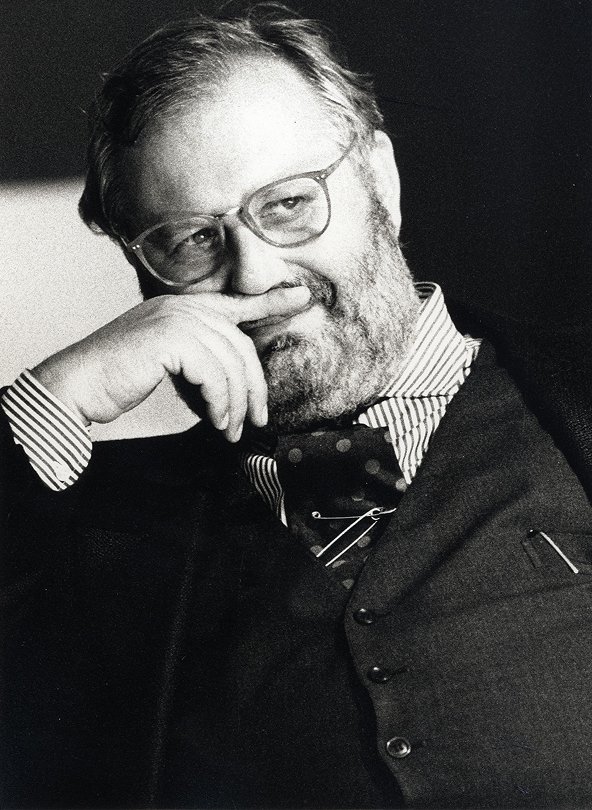
Gianfranco Ferré is born on August 15,
1944 in Legnano (Milan).
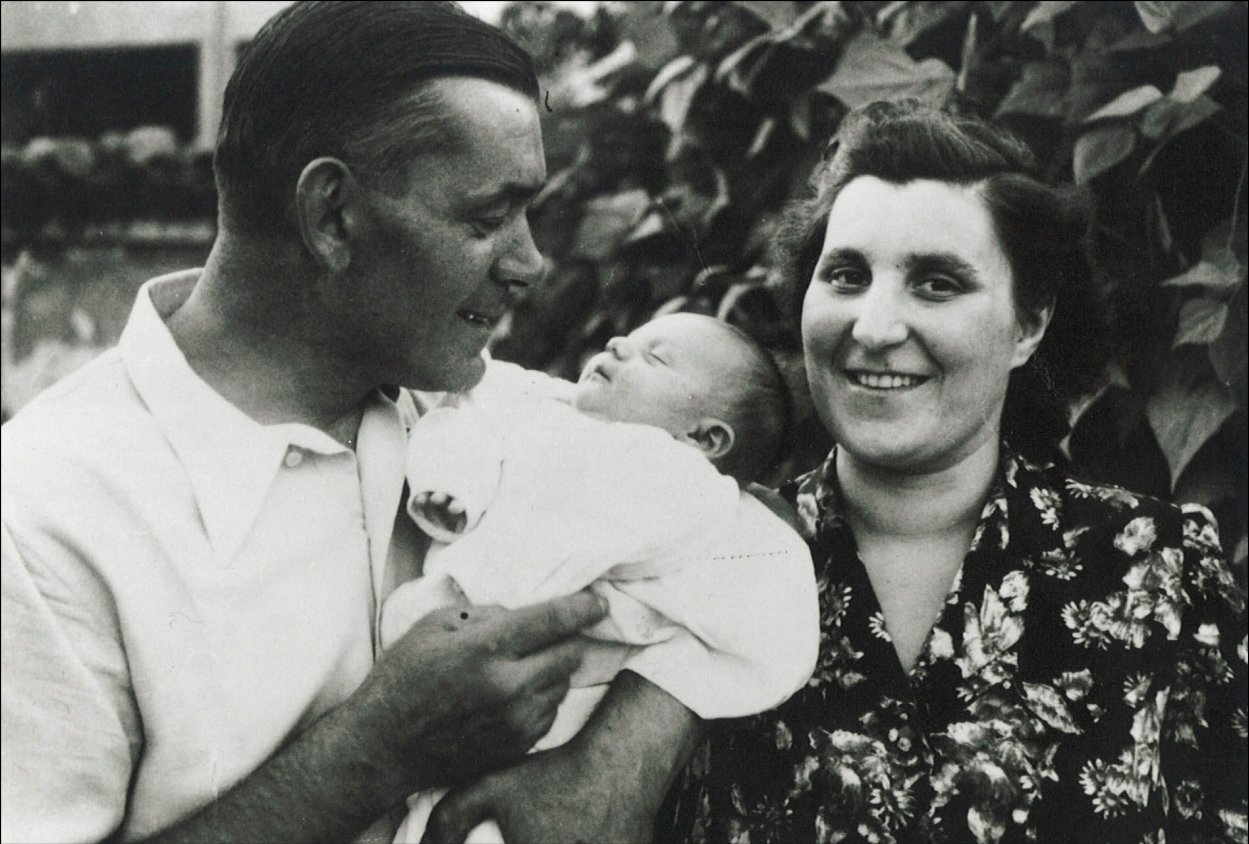
“Upbringing, a sense of duty and measure, discretion, discipline are, I believe, the best starting point, the best ‘springboard’ I can hope for.
They allowed me to face all the tests and all the challenges that my somewhat special work places before me year after year with great determination and equal rigour, in the conviction that every goal, every success must be deserved with the utmost commitment and the utmost responsibility… they are part of my way of being and of living”.
Gianfranco FERRÉ, notes*
After obtaining his scientific high school diploma,
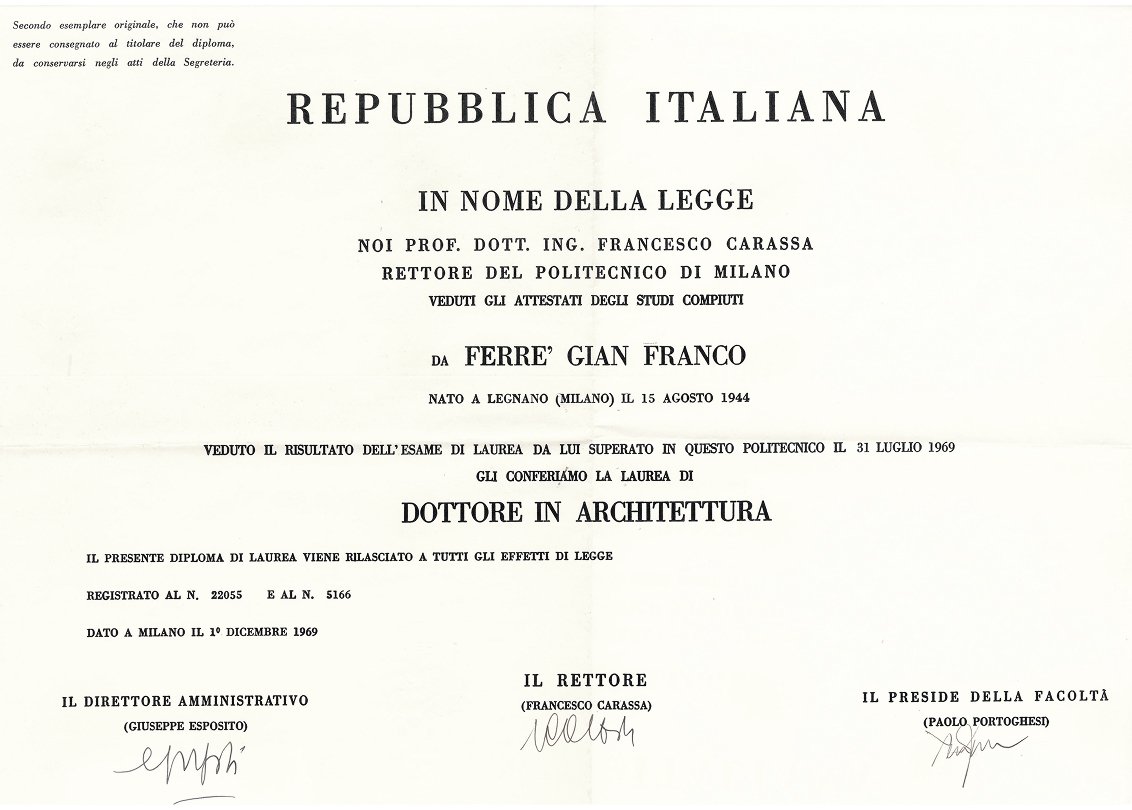
Ferré enrols in the Faculty of Architecture
at the Politecnico di Milano, graduating in 1969.
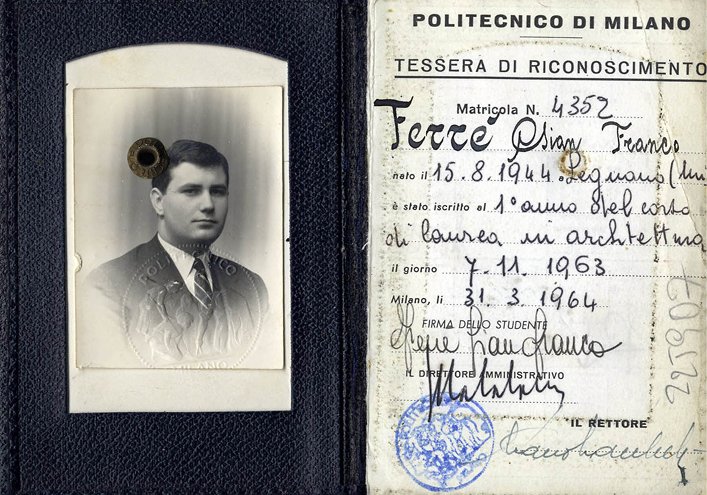
“I graduated in architecture from the Politecnico di Milano in 1969 with a thesis on the ‘Methodology of the Approach to Composition’, with Franco Albini as my supervisor.
The architectural design project I present essentially concerns urban expansion. These are the years of the student protest movement, but also a period of great ferment and enthusiasm. The standard of teaching at the institute is very high at this time. The deans are initially Carlo De Carli and then, in my final year, Paolo Portoghesi. Many of my professors - mainly Franco Albini, Ernesto Rogers and Marco Zanuso - have left their mark on the reconstruction and rebirth of Milan in the post-war period. And some of the greatest Italian architects and artists of today - such as Aldo Rossi, Gae Aulenti, Renzo Piano and Corrado Levi - are on the faculty as lecturers or assistants”.
Gianfranco FERRÉ, notes*
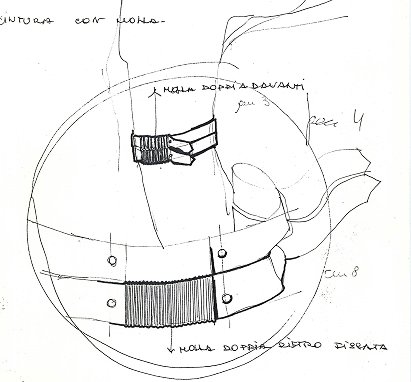
During his university years he designs jewellery and accessories that he gives to friends and classmates. Noticed by talent scouts such as Rosy Biffi and by fashion editors like Anna Piaggi and Anna Riva, they are photographed and published by major trade magazines.
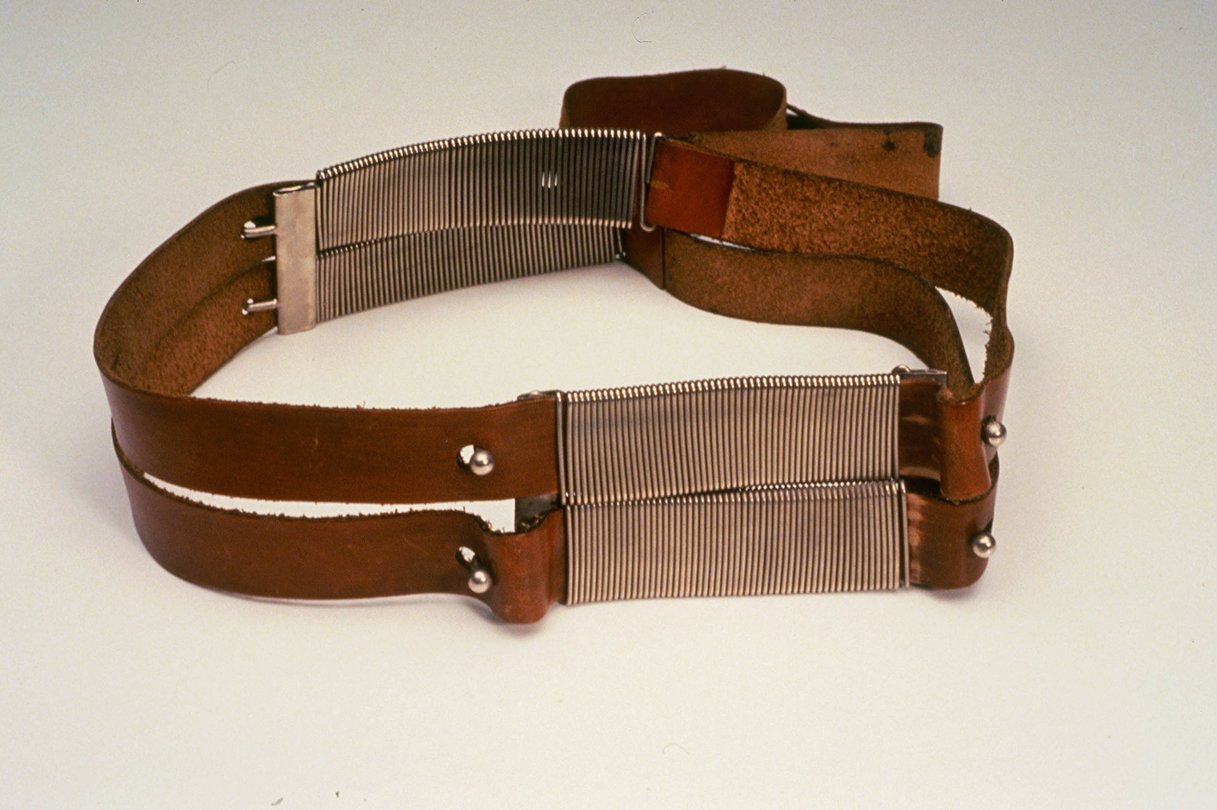
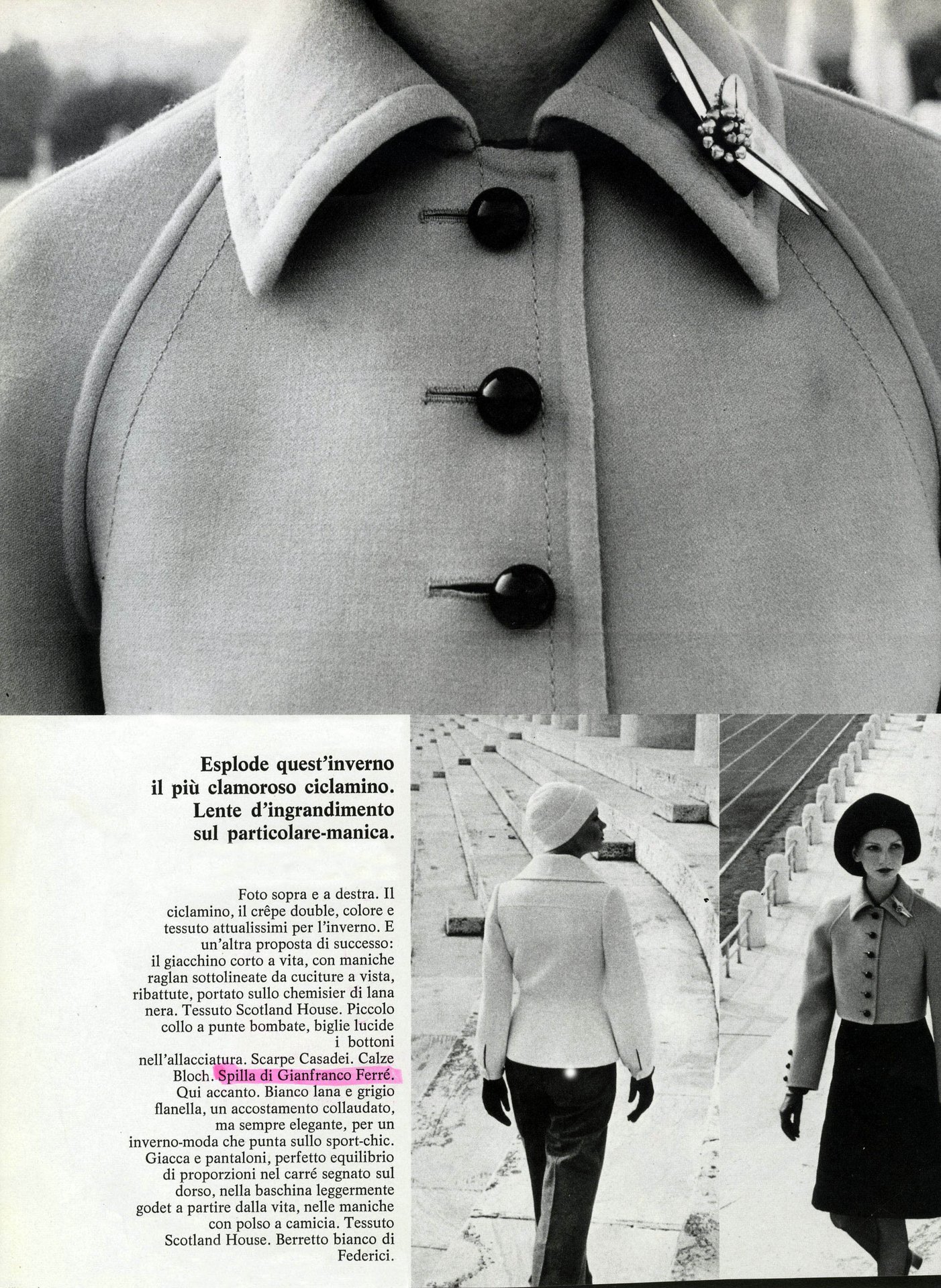
From 1973 Ferré begins numerous collaborations with
clothing companies.
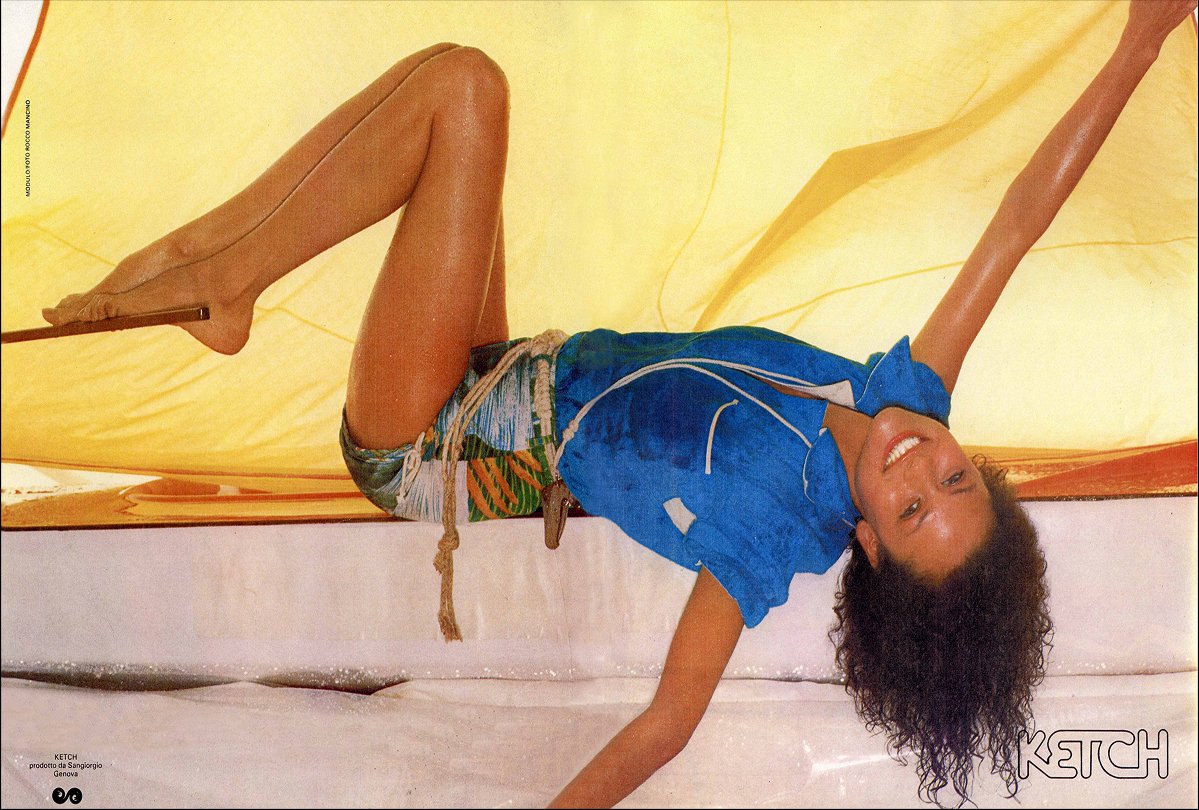
In 1973 Gianfranco Ferré undertakes the first of many trips to India on behalf of San Giorgio Impermeabili of Genoa, an Italian clothing company for which he handles the design and production of the Ketch collection in loco. This experience proves fundamental in the evolution of his style, marking a decisive stage in the definition of his aesthetic language.
In 1974 Gianfranco Ferré presents in Milan the first collections “Courlande”, produced and distributed by San Giorgio Impermeabili, and “Baila”, the latter entrusted to him by the Bologna entrepreneur Franco Mattioli, who in 1978 becomes his partner, founding Gianfranco Ferré s.r.l.
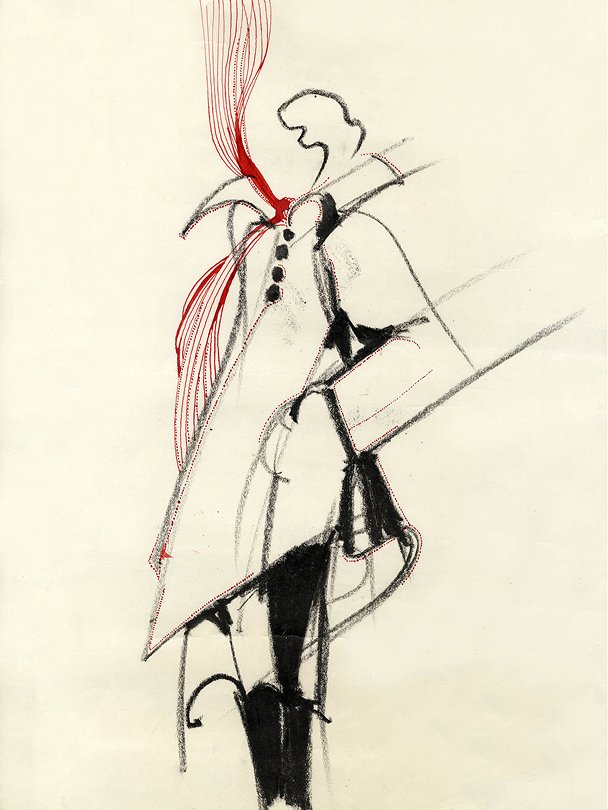
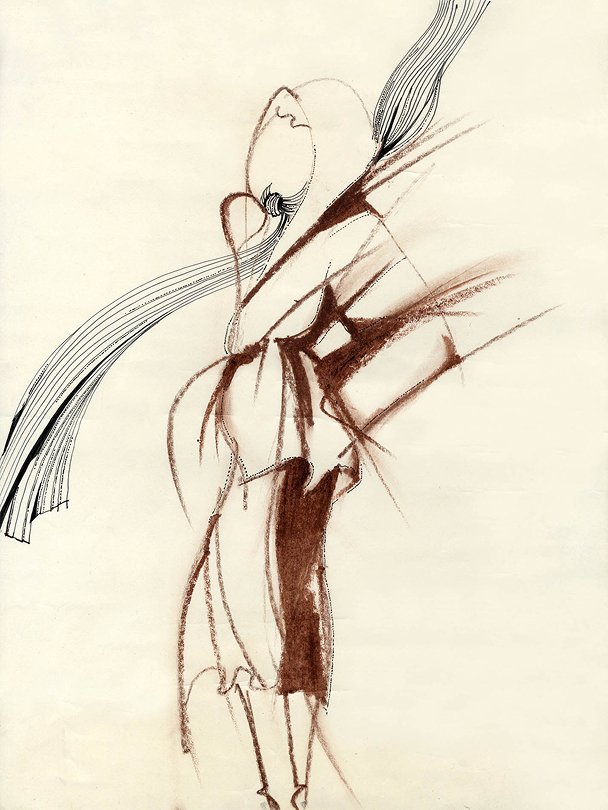
“I remember the debut of Baila at the restaurant ‘Elefante Bianco’ in Via San Maurilio, in Milan. Without a catwalk, the guests are seated at the tables.
The press was there, though not in large numbers, and of course there were friends. I remember strong applause, so much enthusiasm, a good dose of disbelief. White shirts, very high boots, jersey jumpsuits, fox-edged shawls.
My first concept for Baila was this: the dress had to be comfortable in the morning, beautiful in the evening and always the same. The impact was there, together with some criticism (‘too many boots, too much avant-garde…’)”.
Gianfranco FERRÉ, notes*
In May 1978 the company Gianfranco Ferré
is founded, and in October
the first women’s Ready-to-wear
collection is presented.
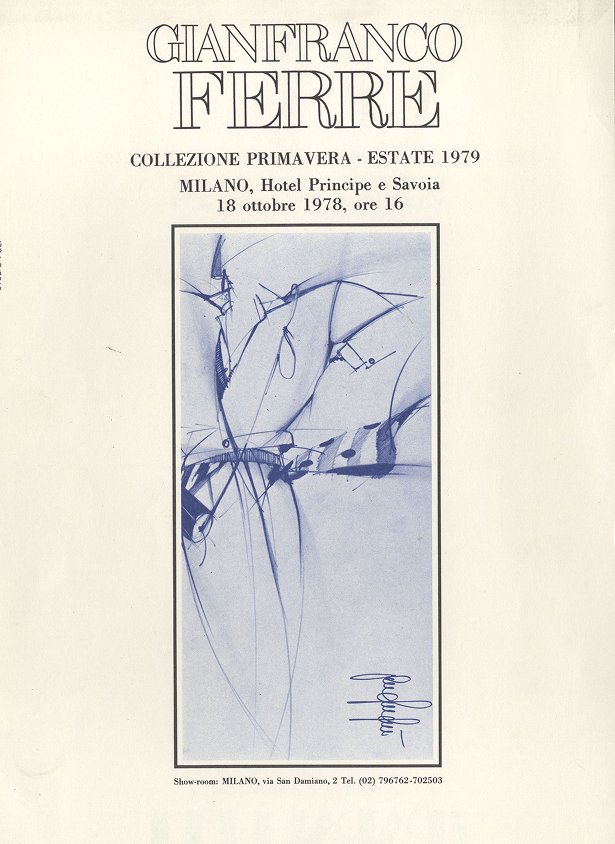
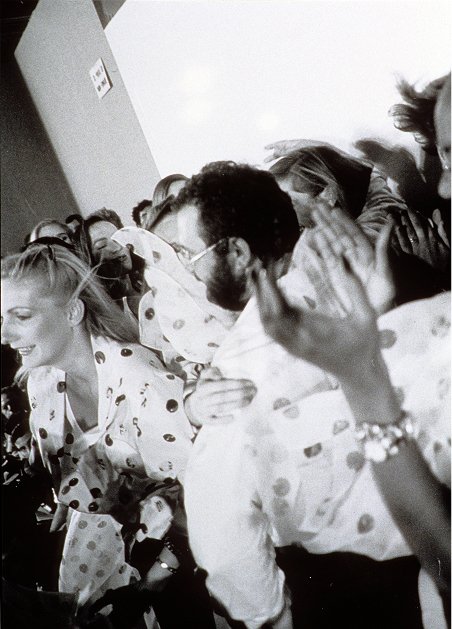
In the front row, the journalists I knew only by name: Pucci Gabrielli, Anna Piaggi, Anna Riva, Adriana Mulassano, and also the famous sacred monsters from beyond the Alps, John Fairchild and Polly Mellen. They wrote: ‘A five-star collection’ and I asked myself: ‘But what does that mean? Can you imagine?’ I did not realise it. Just think, it was me and Rita, two girls and a backstage that is truly miserable. The collection, however, was beautiful: all my signature motifs were there and I would redo them exactly the same. Emotion? The greatest joy I felt was when American Vogue published one of my designs and one by Armani with the caption ‘two made-in-Italy pieces you won’t forget’ ”.
Gianfranco FERRÉ, notes*
The ready-to-wear collections of Gianfranco Ferré
are shown in Milan during fashion week.
“Construction and simplicity are not antithetical terms and they form the basis of my fashion. But construction does not mean excess and simplicity does not mean randomness: the garment acquires its identity through a careful search for line, a determined selection of colours, and a use of materials that allows the creation of very precise volumes.
I do not admit constriction: I believe that the personality of the wearer must emerge, of the woman who knows how to dress intelligently, seeking to reveal through her choice of garments her own individuality and her own spirit.
In fact, I think that my fashion proposals should not be diktats, so that certain garments - objects designed with particular functions - can continue to live over time if combined and reinterpreted with taste and elegance”.
Gianfranco FERRÉ, notes*
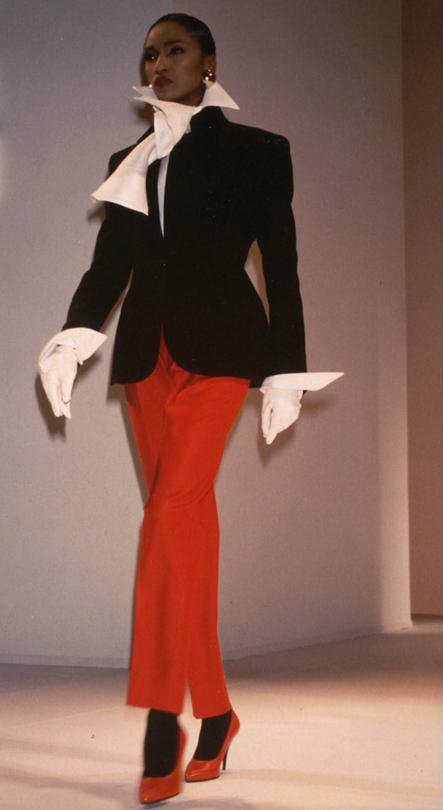
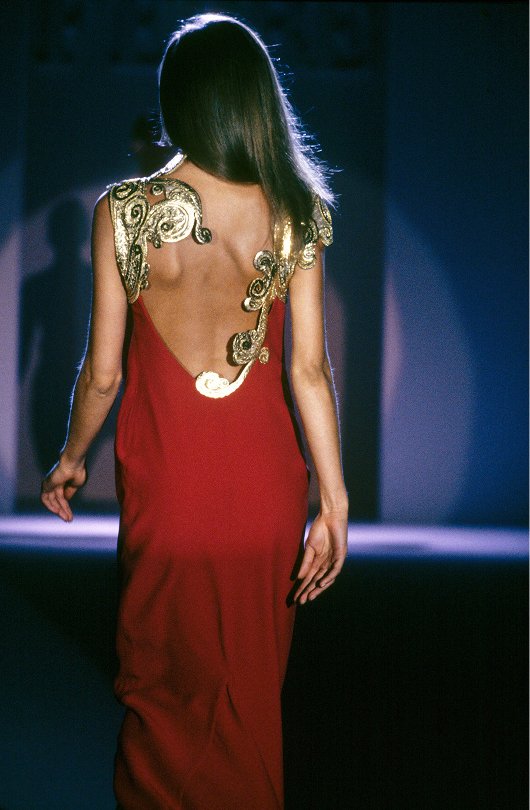
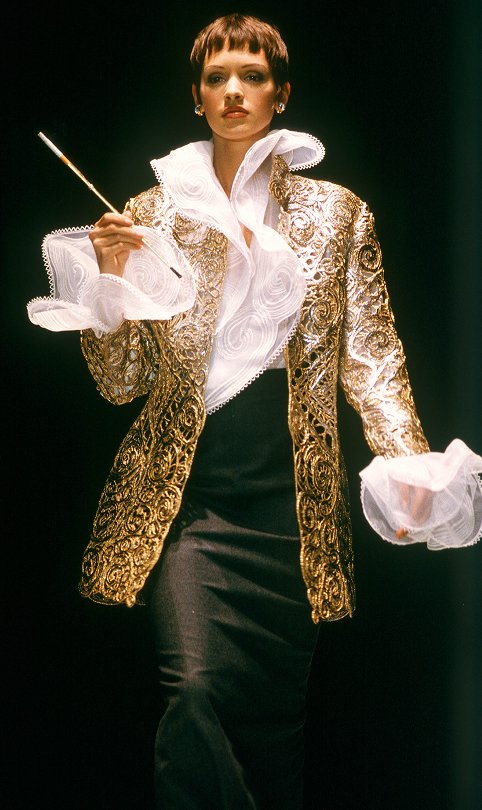
“She is tall and slim, agile and energetic. She may not have perfect features, she may not be a classical beauty, but she always exerts a distinctly feminine charm. The charm is in her eyes, in her smile, in her sense of grace”.
Gianfranco FERRé, notes*
In 1982 the first
Gianfranco Ferré menswear collection
makes its debut.
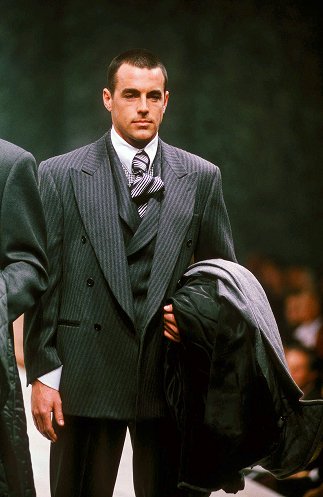
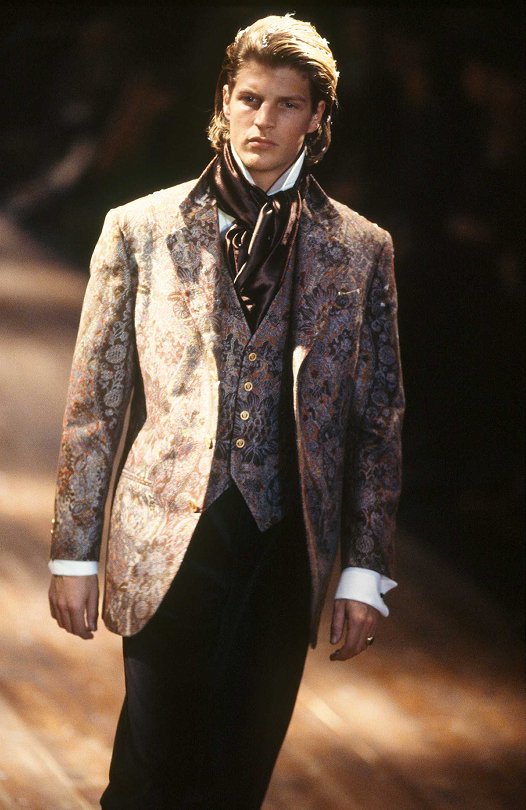
“I have always believed in the importance of formal clothing, with its precise rules and its code stabilised over time. But I believe that leisurewear also has its own precise rules: experiences can be exchanged and situations can be transposed. Freely”.
Gianfranco FERRé, notes*
From 1979 the company Gianfranco Ferré enriches its
offerings with a range of accessories, including
bags, shoes, belts, bijoux, foulards, ties, perfumes and eyewear.
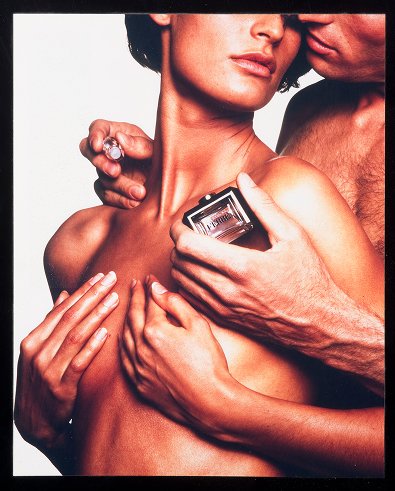
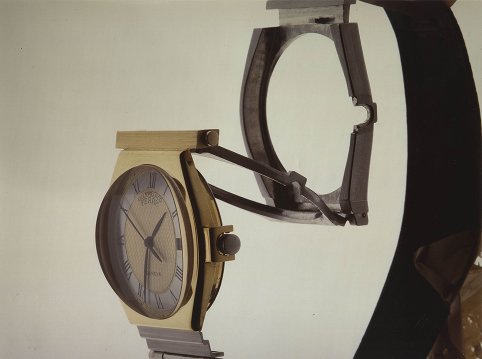
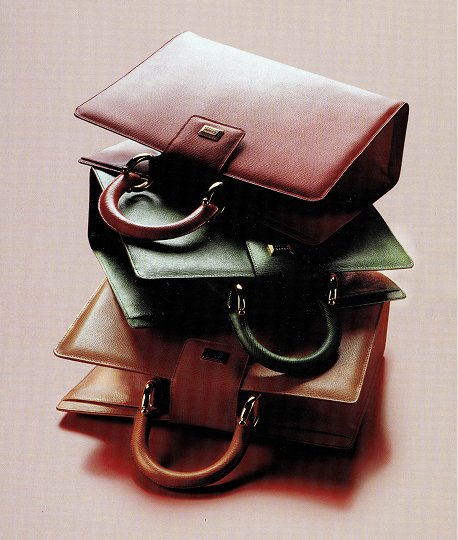
“A fundamental element to complement the dress and adorn the body: from this perspective the accessory has always been a privileged object of my creative attention and of a special passion that grows and matures over the years”.
Gianfranco FERRÉ, notes*
In 1983 he takes part in founding the
Fashion Design and Design Management course at the Domus Academy in Milan.
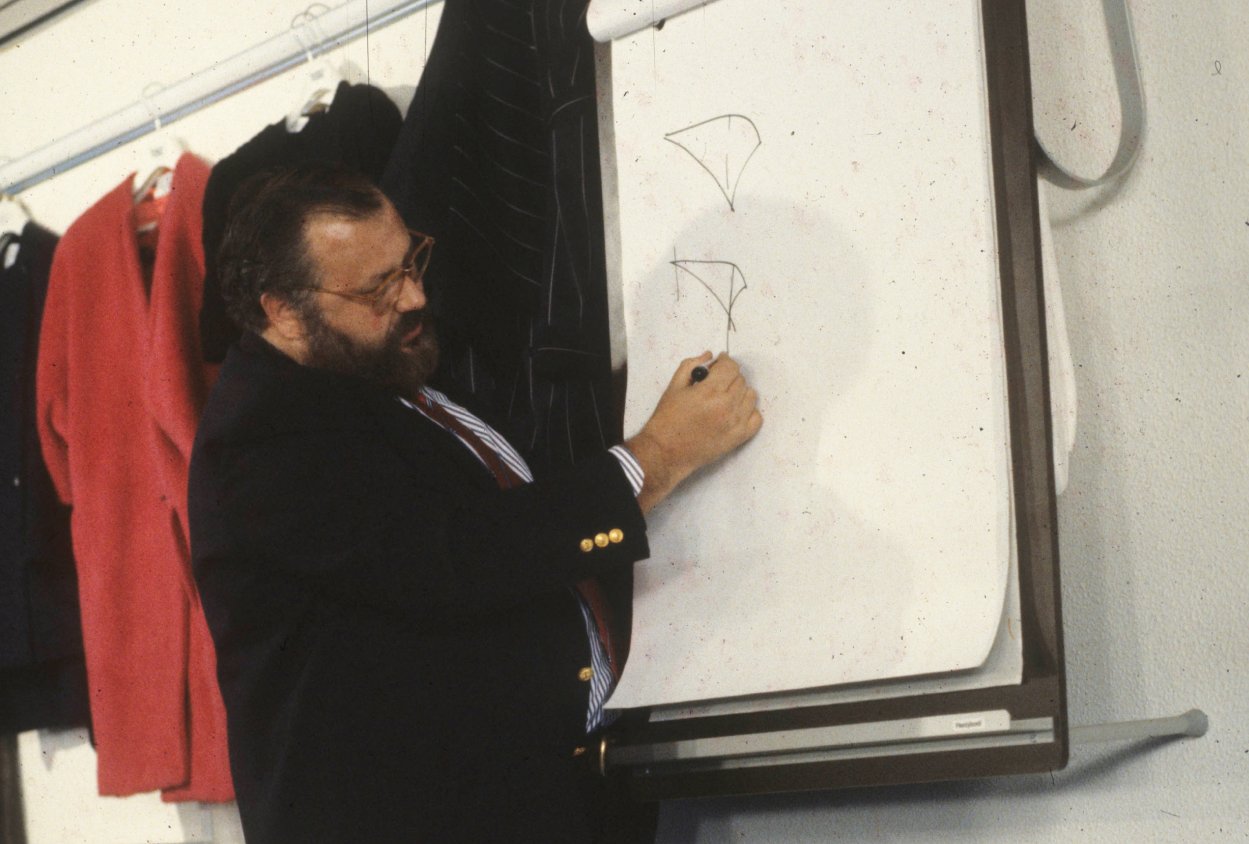
I have tried to teach young people that creative work is, indeed, work: an activity that requires method, dedication, objectives, ‘craft’. There must be an individual thrust, that set of qualities that can be defined more or less precisely as ingenuity, inventiveness, talent. But all this bears fruit and gains real substance only if channelled along the tracks of practice and experience.
Can one learn fashion then? Yes, if personal abilities find structures and spaces within which to develop, which allow the transmission of knowledge and the experimentation of talents.
In other words: I try to show how much the ‘logic of work’ matters in organising and structuring all the largely emotional data - let’s call it inspiration - that form the raw, unrefined material of fashion understood as poetry, dream, enchantment”.
Gianfranco FERRÉ, notes*
In 1984 Gianfranco Ferré presents his first
Evening Collection in New York.
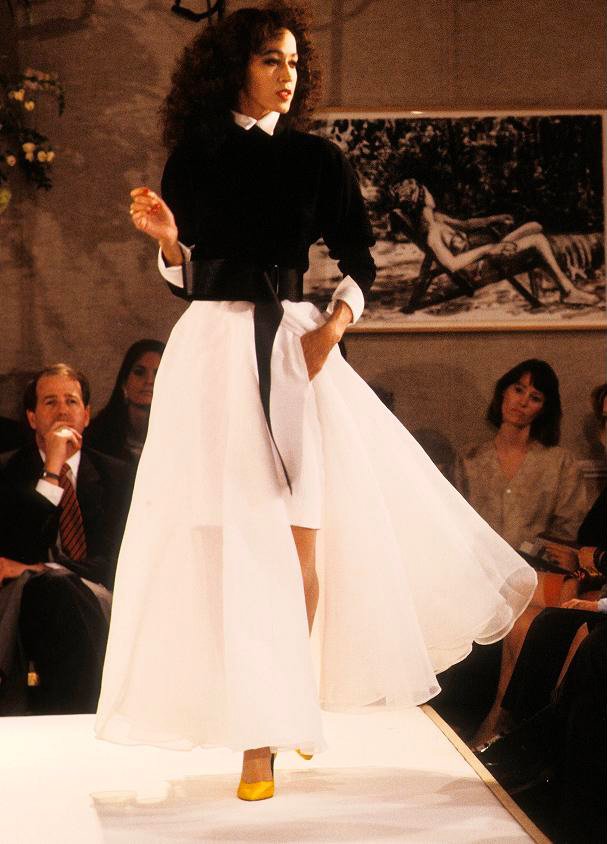
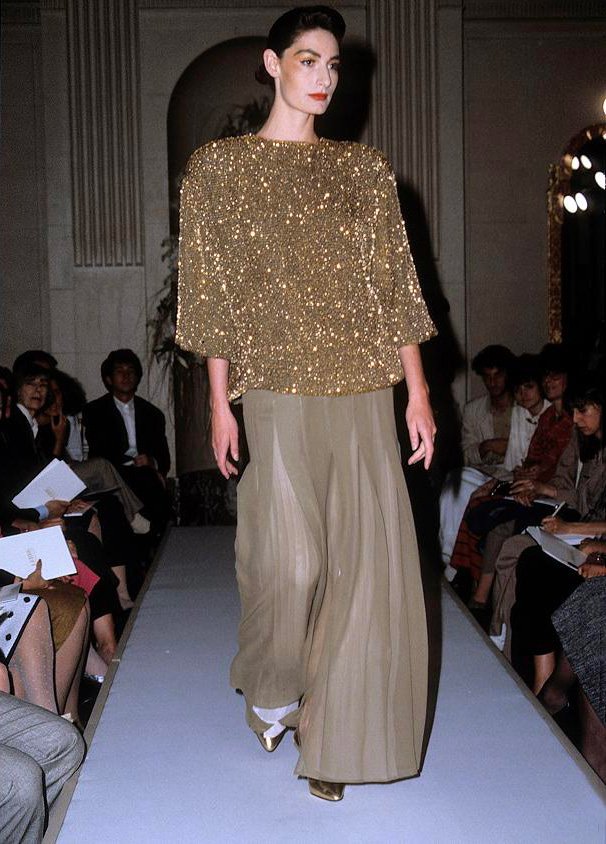
In 1986 he presents his first
Haute Couture collection in Rome.
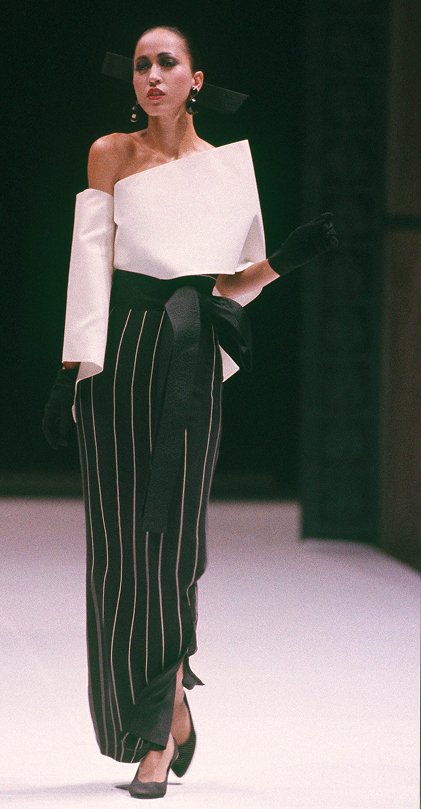
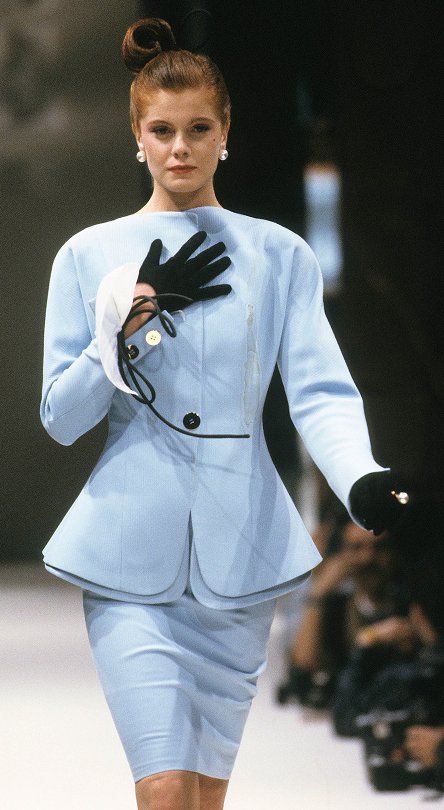
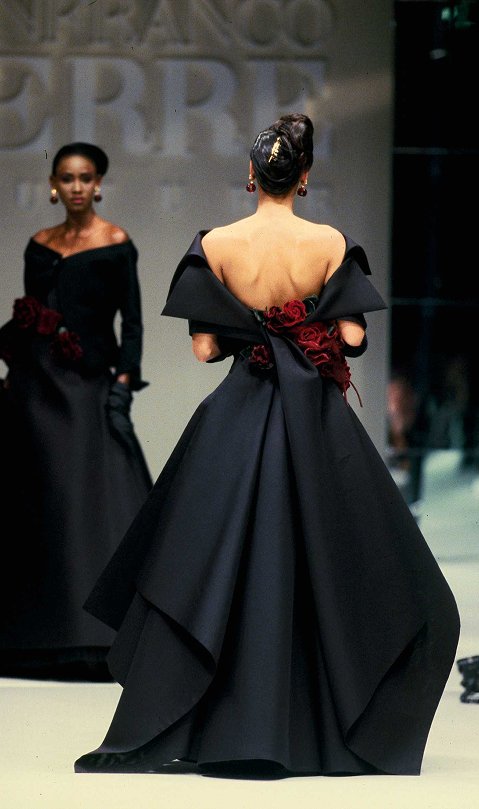
I do not feel this dual creative commitment of mine as a contrast or a split. For me they represent two distinct realities, but not entirely unrelated”.
Gianfranco FERRÉ, notes*
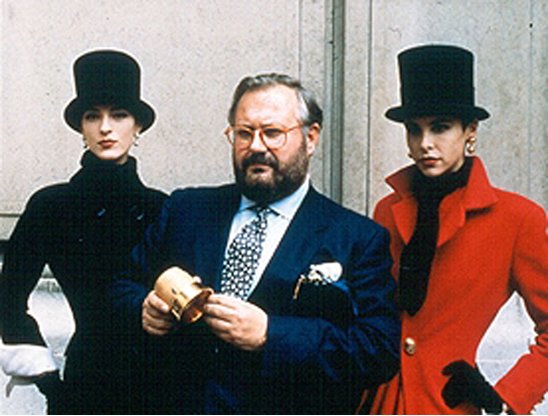
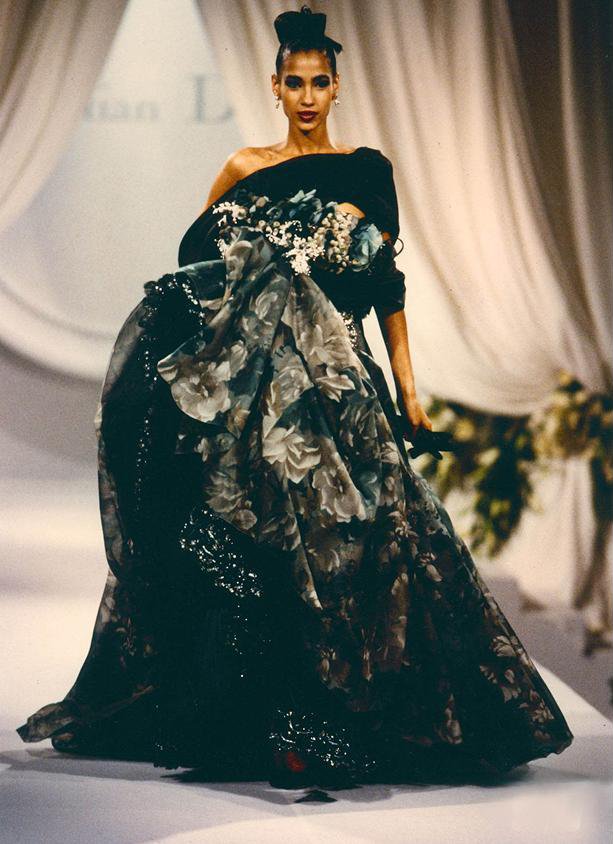
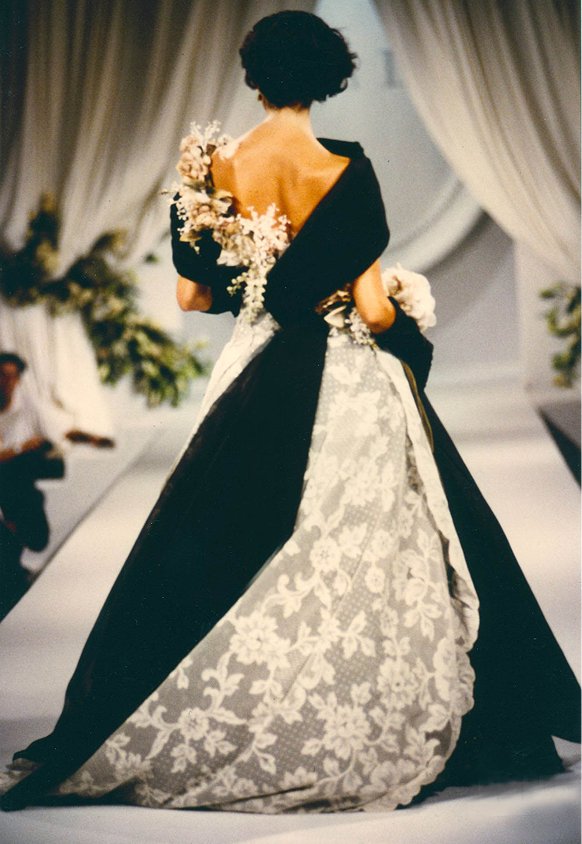
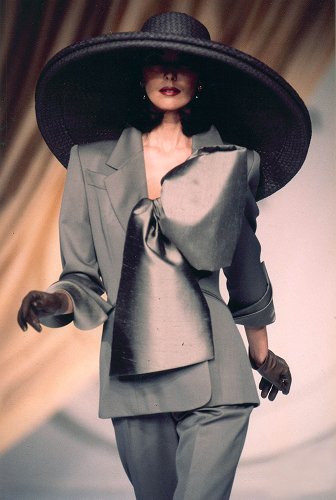
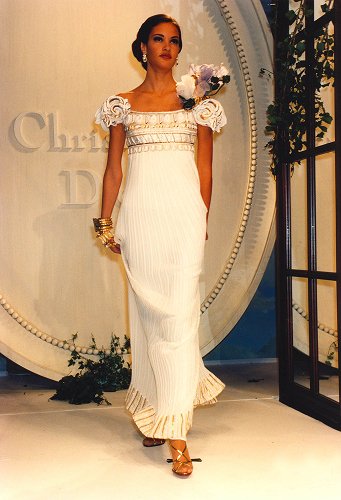
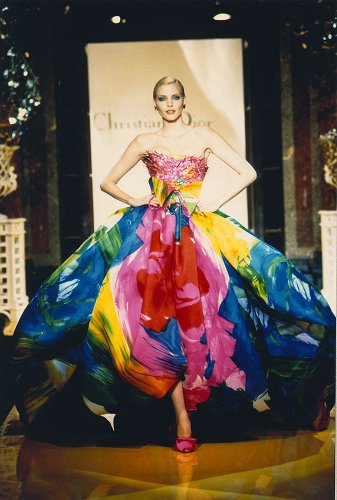
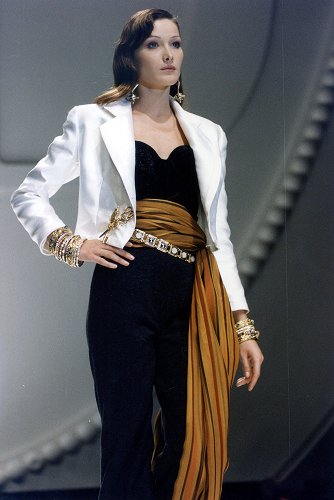
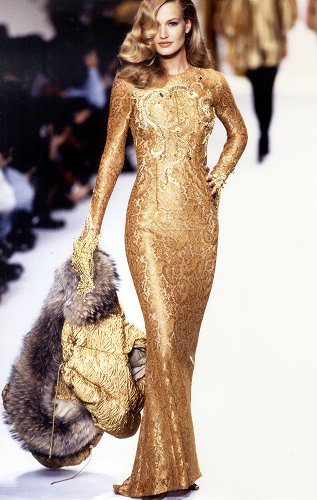
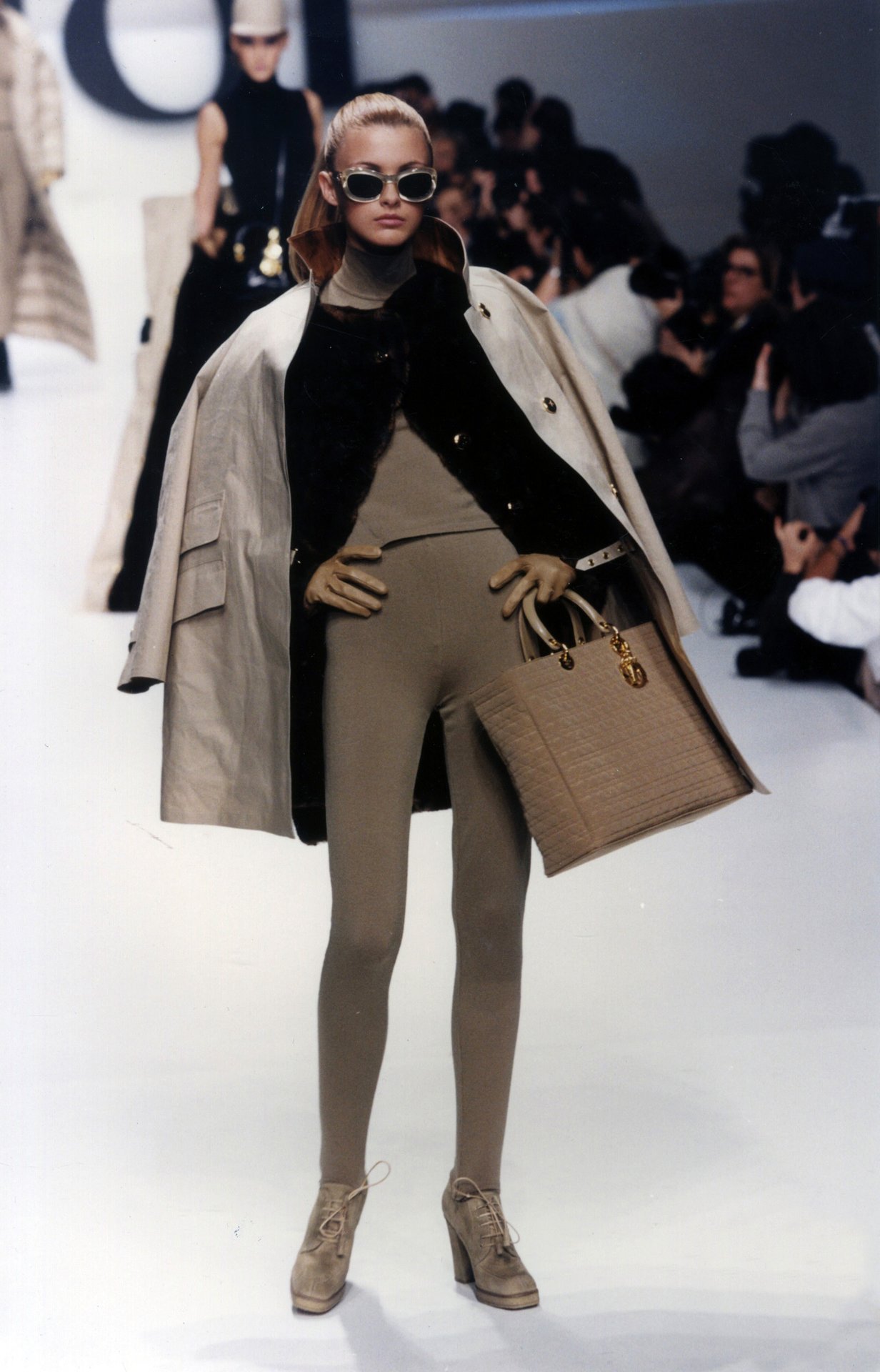
In May 1989 Gianfranco Ferré is appointed
creative director of the Maison Christian Dior
for the collections of Haute Couture, Ready-to-wear and Fourrures.
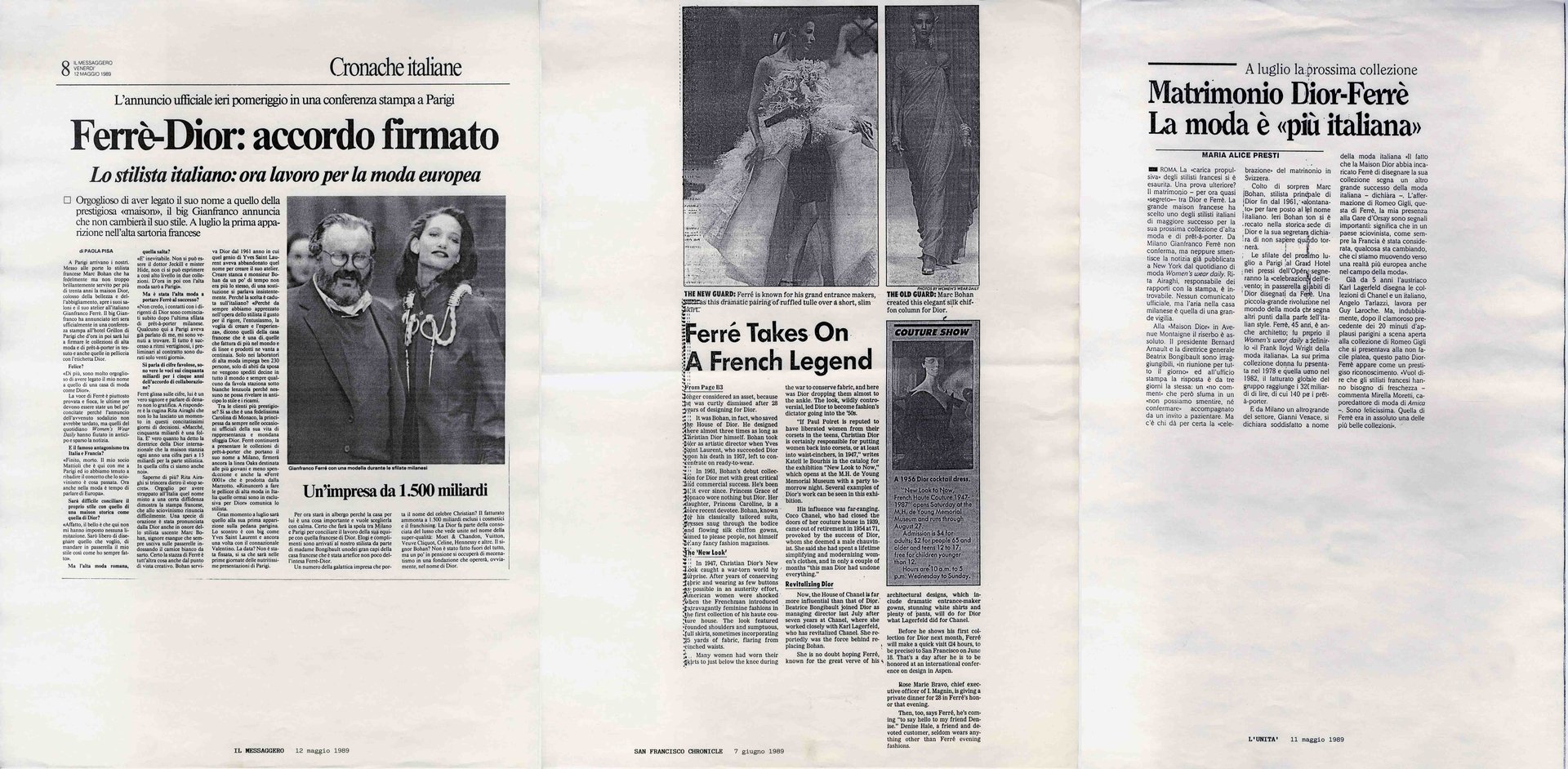
“My very first commitment at Dior was to grasp its spirit, to understand to what extent it could belong to me, within which horizons I could move.
In this my determination that helped me, but also a series of deep affinities with Monsieur Dior in the way we conceived elegance: for example in our perception of the female silhouette, quick and dynamic even when animating emphatic volumes, in a special love for noble, high-performance materials, in the almost sacred care devoted to the cut and to all the processes involved in constructing a garment, in the constant emphasis on refinement and luxury. A singular and happy commonality of views, and I would say also of passions, which made my adventure truly extraordinary, my challenge infinitely compelling.
Thus, at Dior, for eight years I ‘breathed’ the lesson of the atelier every day: absolute care for the dress in all its details, the sum of many different and all exceptional skills, the utmost discretion, personalised service for clients. From the sketch to physical completion, Haute Couture models, in fact, never leave the atelier.
Each dress is an entity in itself, with its own story. Moreover, every detail, every finish, every seam is something unique because it is done ‘ad hoc’ for each individual client, based on her requests and her figure.
This state of affairs places the creator in the position of confronting, step by step, the skill and experience of his collaborators in the atelier. And it is here that, in my opinion, one grasps the true magic of couture: in the sum of so many skills and in the very high qualification of so many artisans to whom the couturier must give a stamp, a direction, a sense of completeness, a bit like the conductor on the podium”.
Gianfranco FERRÉ, notes*
Numerous awards and honours are bestowed on
Gianfranco Ferré during his career.
1976 - Tiberio d’oro
Maremoda Capri Award, Capri
1978 - Premio Moda
Award from the magazine Annabella, Milan
1981 - Premio internazionale della Moda
Award from the Municipality of Sanremo, Sanremo
1982 - Occhio d'oro
Award for the best women’s Ready-to-wear collection of the season
(S/S 1983 - F/W 83-84 - S/S 1985 - F/W 1986-87 - F/W 87-88), Milan
1983 - The Best Five
Award from the japanese newspapers Asahi Shimbun and WWD Japan, Tokyo
1984 - Costume Design 1984
Award from the Los Angeles Drama Critics Circle for the costumes of “Tamara”, Los Angeles
1985 - Modepreis
Award as womenswear designer of the year, Munich
1985 - Premio di Moda
Award from the Gazzetta di Mantova, Mantua
1985 - Cutty Sark Men's Fashion Award
Award as menswear designer of the year, New York
1985 - Ambrogino d’Oro
Civic merit medal from the City of Milan, Milan
1986 - Commendatore dell'Ordine al Merito della Repubblica Italiana
Honour bestowed by the President of the Republic Francesco Cossiga, Quirinale Palace, Rome
1986 - Linea Pelle
Plaque in recognition of creative commitment, Bologna
1986 - Tessera d’Oro
Award from the Famiglia Legnanese, Legnano
1987 - Association of Total Fashion
Plaque awarded by the Japanese press, Tokyo
1987 - Cavour d’Argento
City of Turin award, Turin
1989 - Telegatto
Lifetime achievement award. Other recipients included Giulio Andreotti and Enzo Biagi, Milan
1989 - Dé d’or
Award from an international jury for
the best Haute Couture collection of the season, Paris
1989 - Modaischia
Lifetime achievement award, Ischia
1989 - Benemerenza civica
Certificate awarded by the City of Legnano, Legnano
1989 - Occhio d’oro
Award for Italian fashion label of the year, Milan
1989 - Il Milanese dell’Anno
Title awarded by the Famiglia Meneghina, Milan
1990 - I Grandi Protagonisti
Award from the Italian Fur Association, Milan
1990 - Italia ‘90
Recognition for participation in the event, Milan
1990 - Lorenzo il Magnifico
Award from the Accademia Internazionale Medicea, Palazzo Vecchio, Florence
1991 - Il Fiorino d’Oro
Award from the City of Florence, Palazzo Vecchio, Florence
1991 - Premi alla carriera
Awards from the County of Los Angeles and
The Music Center of the County of Los Angeles, Los Angeles
1992 - El Sol de Oro
Award from the Circulo Nacional de Periodistas as
“Creador de la elegancia y distinction en la moda europea”, Mexico City
1992 - Diva-Wollsiegel
Award from IWS in collaboration with the magazine “Diva”, Vienna
1993 - Senior Adviser of Garments Arts
Title awarded by China Tiangong Clothing Science &
Technological Development Group and National Garments Research, Beijing
1993 - Pitti Immagine Uomo
Special award, Palazzo Vecchio, Florence
1993 - Paul Harris Fellow
Award from the Rotary Foundation of Rotary International, Milan
1994 - Night of Stars
Award from The Fashion Group International, New York
1994 - Maschera d’Oro
Award from the Mayor of the City of Campione, Campione d’Italia
1995 - Crystal Apple Award
Special award from the California Fashion Industry Friends of Aids Project Los Angeles, Los Angeles
1996 - Saks Fifth Avenue Award
Recognition for participation in Saks Fifth Avenue special events, New York and San Francisco
1996 - Masters of Linen
Special award from the European Confederation of Flax and Hemp, Milan
1999 - Keys to the City of Como
Award from the Mayor, Como
1999 - Ideacomo
Certificate in recognition of talent and culture, Villa d’Este, Como
1999 - Fur Fashion Award - 50 years
Special award from the Italian Fur Association, Milan
1999 - Award for twenty years of activity
Awarded by the Camera Nazionale della Moda Italiana during the event “Donna sotto le stelle”, Rome
2001 - Senior Adviser of Garment Arts
Title awarded by the Mayor of the City of Shanghai, Shanghai
2002 - Crest with the Municipal Coat of Arms
Award from the Municipality of Milan, Milan
2003 - Kinder in Not
Special UNESCO award, Düsseldorf
2003 - Five Star Diamond Award
Award for the creation of the most refined and creative SPA, Berlin
2004 - Dama d’Argento
Award from the Association of Friends of the Poldi Pezzoli Museum given
“to Men and Women who make Milan great”, Milan
2004 - Lifetime achievement award
awarded by “Chi è Chi del Giornalismo e della Moda”, Milan
2005 - Sigillo Longobardo
Award from the Regional Council of Lombardy, Teatro alla Scala, Milan
2007 - Appointment as President of the Accademia di Brera in Milan
Milan
June 17
*All quotations by Gianfranco Ferré are drawn from notes,
recorded or written interviews, and transcripts of his lectures preserved in the Historical Archive,
as well as from the volume “Ferré” by Edgarda Ferri (Milan: Longanesi, 1995).